Bulk keratinase for organic fertilizer and soil-input makers converting feathers, hair and wool into nitrogen-rich hydrolysates. Wholesale supply, quoted per order.
Unlock value from the world’s toughest keratin streams.
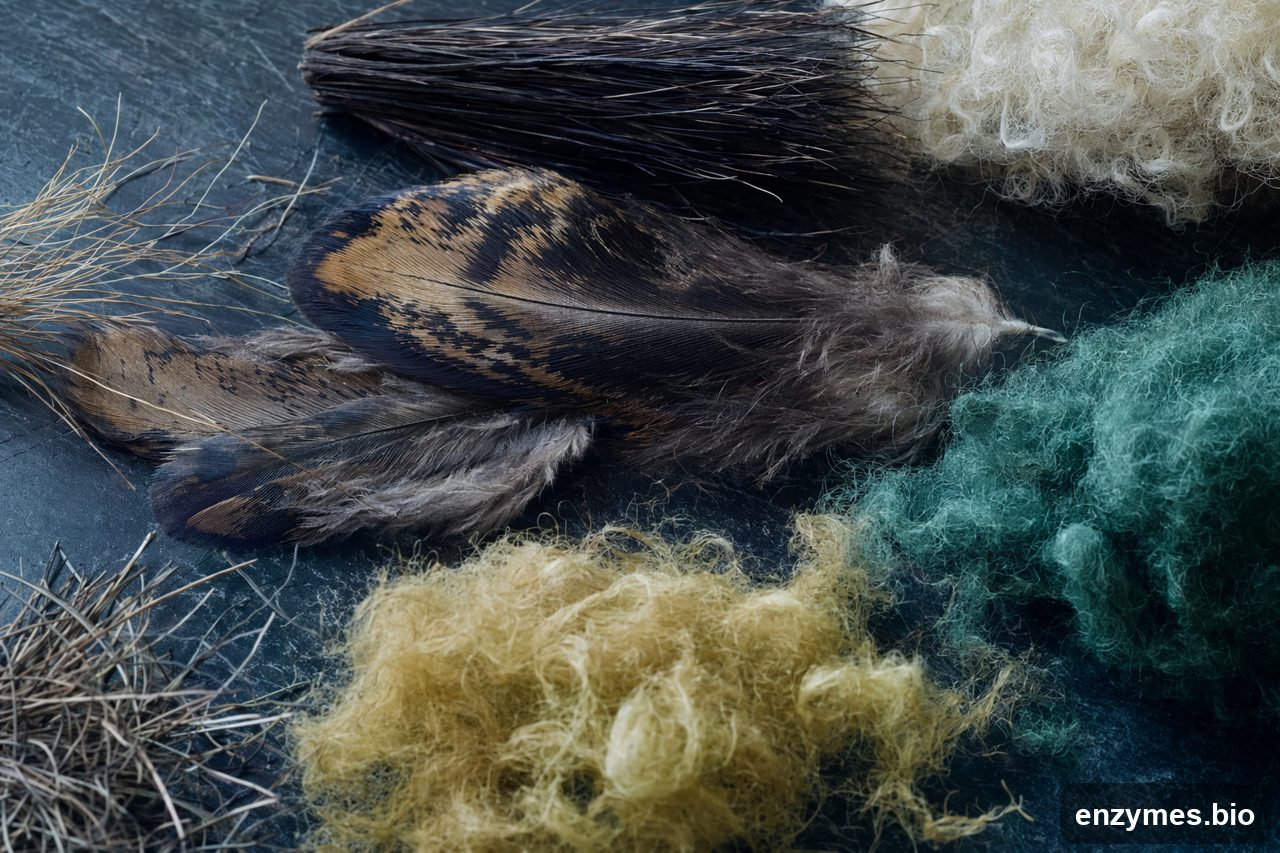
Feathers, hair, wool offcuts, bristles and other keratin residues carry valuable organic nitrogen, but their dense, cross-linked structure makes them slow to break down. For an organic fertilizer or soil-input manufacturer, that means slow conversion, bulky solids and uneven nitrogen release. Keratinase Enzyme converts these tough proteins into peptide-rich hydrolysates that are easier to blend, dry, granulate, compost or formulate into liquid products.
Keratinase Enzyme Solutions supplies keratinase wholesale to fertilizer and soil amendment producers, poultry and rendering plants that sell into the fertilizer market, and distributors of agricultural inputs. Pricing is quoted per order.
Making keratin-based fertilizer? Send your raw material, the quantity you need per order or per month, and the destination country. Request a quote
Keratin is not a typical protein residue. It is mechanically resilient, water-resistant, and naturally resistant to many general protease systems. That resistance can create production problems:
Keratinase targets the structural protein matrix, helping processors shift from coarse, persistent residues toward finer, more processable peptide-containing inputs.
Keratinase is used where keratin-rich agricultural, slaughter, grooming, textile, or rendering byproducts need to be converted into inputs that are easier to blend, dry, granulate, compost, ferment, or formulate.
Typical substrate streams include:
The goal is not simply “digestion.” The commercial target is a controllable conversion step that improves handling, downstream consistency, and nitrogen accessibility.

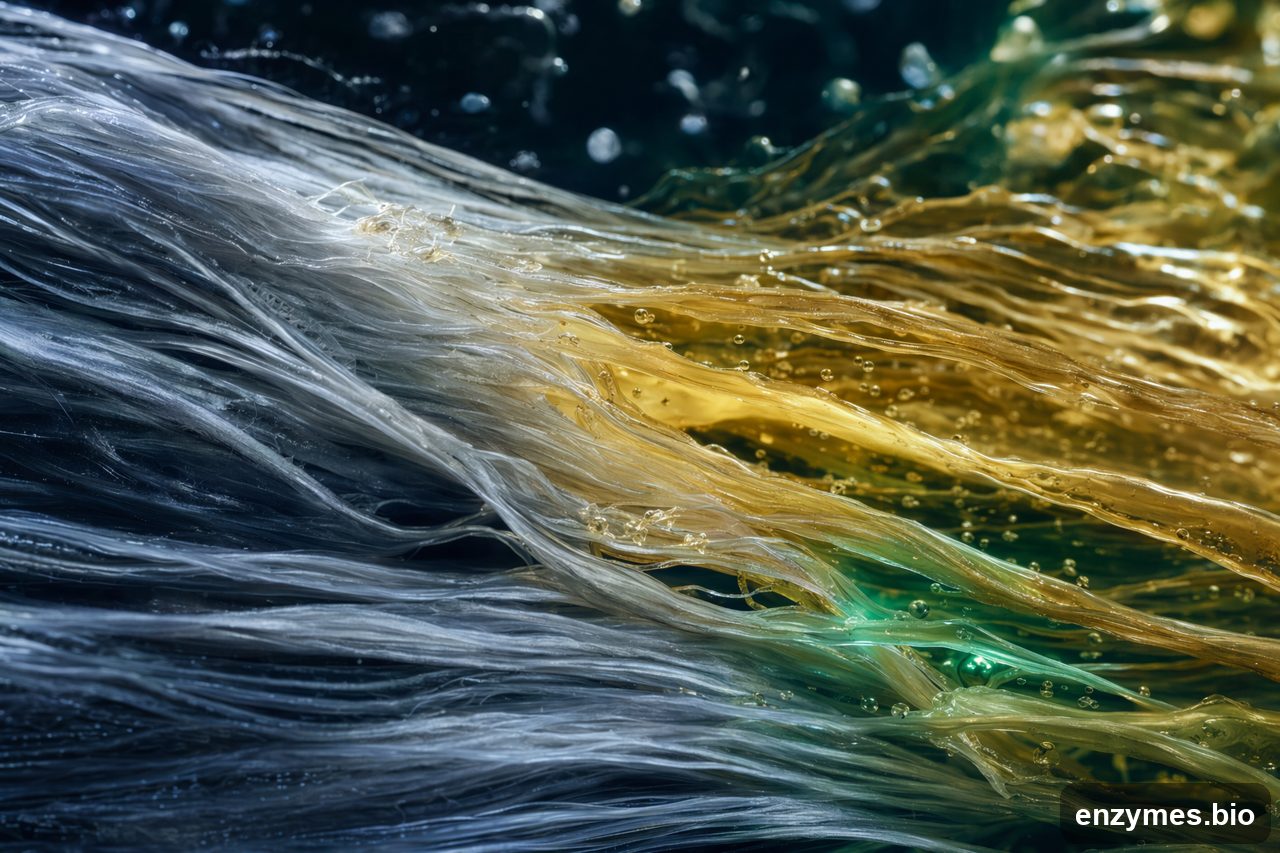
Keratinase can help weaken the fiber structure of feathers, hair, and wool so the material becomes easier to disperse, pump, grind, separate, or blend with other organic inputs.
Enzymatic treatment can generate peptide-rich liquid or slurry fractions that fit fertilizer formulation, compost activation, or soil amendment blending strategies.
Where process design allows, keratinase can support lower-intensity conversion compared with approaches based only on prolonged heat, pressure, or harsh chemical treatment. Exact operating choices depend on substrate, target conversion, contamination profile, and downstream product specification.
Keratin-rich byproducts often carry disposal cost or limited market value. Enzyme-assisted processing can help reposition them as functional organic nitrogen inputs.
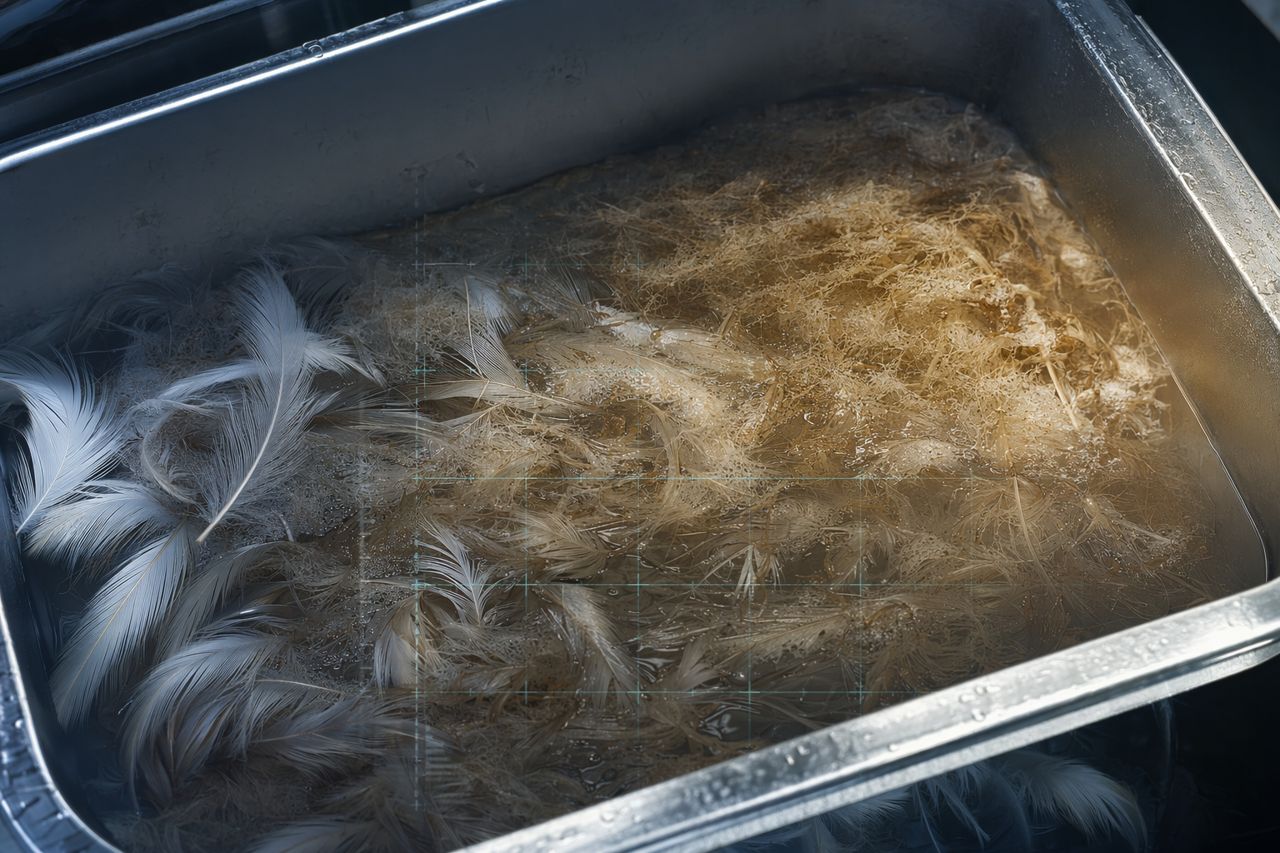
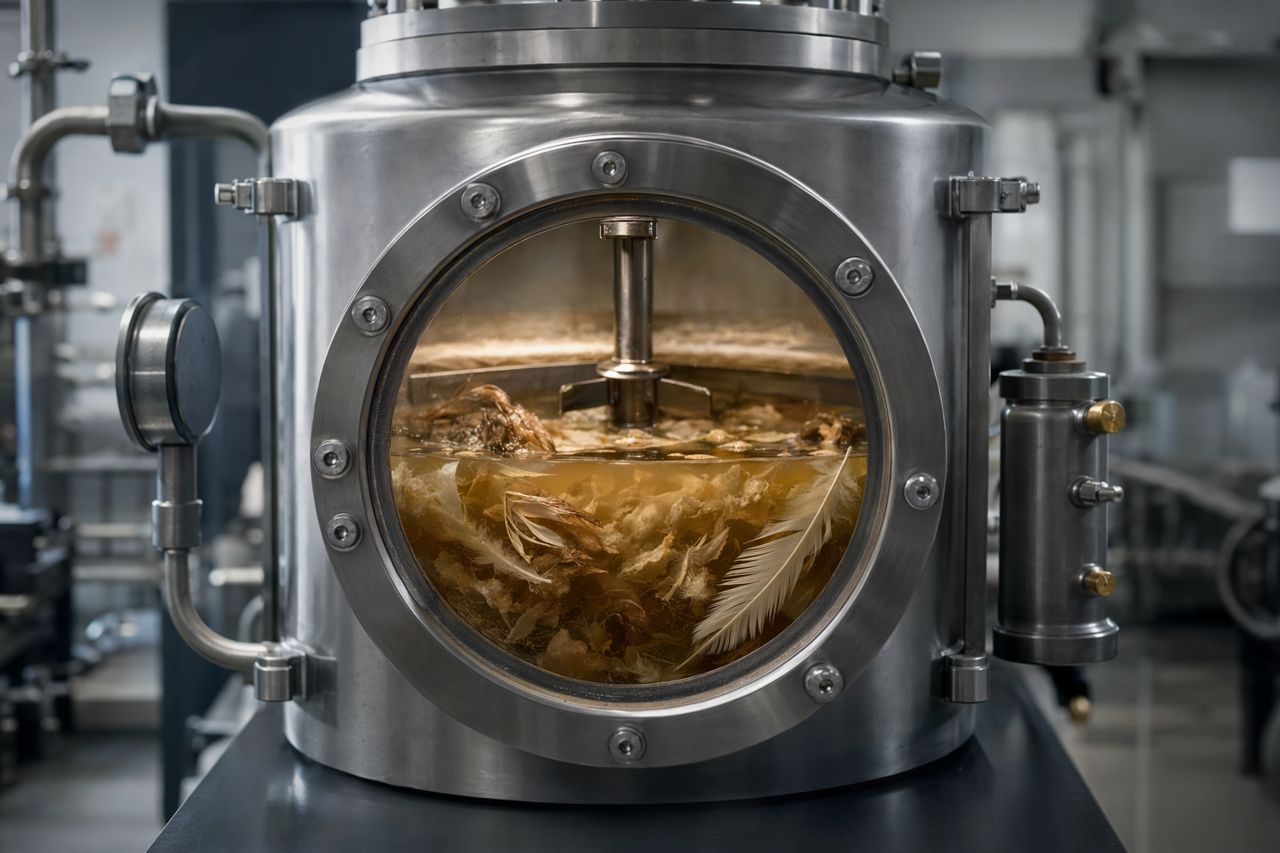
Keratinase can be evaluated in several positions within a fertilizer input workflow:
Keratinase Enzyme Solutions works with buyers to match enzyme format and use strategy to the actual plant sequence rather than forcing a lab concept into a production line.
Keratinase performance depends on more than the enzyme itself. Buyers should evaluate:
A practical trial should measure operational outcomes: solids reduction, viscosity behavior, odor profile, filtration or pumping changes, nitrogen distribution, and final product fit.
For fertilizer and soil amendment producers, the right keratinase program should be judged by production value, not just laboratory reactivity.
Look for:
Keratinase is especially relevant for:
Keratinase Enzyme Solutions recommends a staged evaluation:
This approach keeps the program focused on conversion economics and process reliability.
Wholesale and bulk supply for fertilizer manufacturers, byproduct processors and agricultural input distributors. Include:
Pricing and terms are quoted per order. Request a quote
Tell us your application and volume — we reply with pricing and lead time.
We have received your message. We will reply by email.