Bulk keratinase for wool processors and textile recyclers converting wool waste and animal-fiber residues into protein hydrolysates. Wholesale supply, quoted per order.
Unlock value from the world’s toughest keratin streams.
Wool is durable because keratin is durable. That same strength makes wool offcuts, scouring residues, animal-fiber textile waste and mixed keratin streams hard to recover with mechanical or chemical treatment alone.
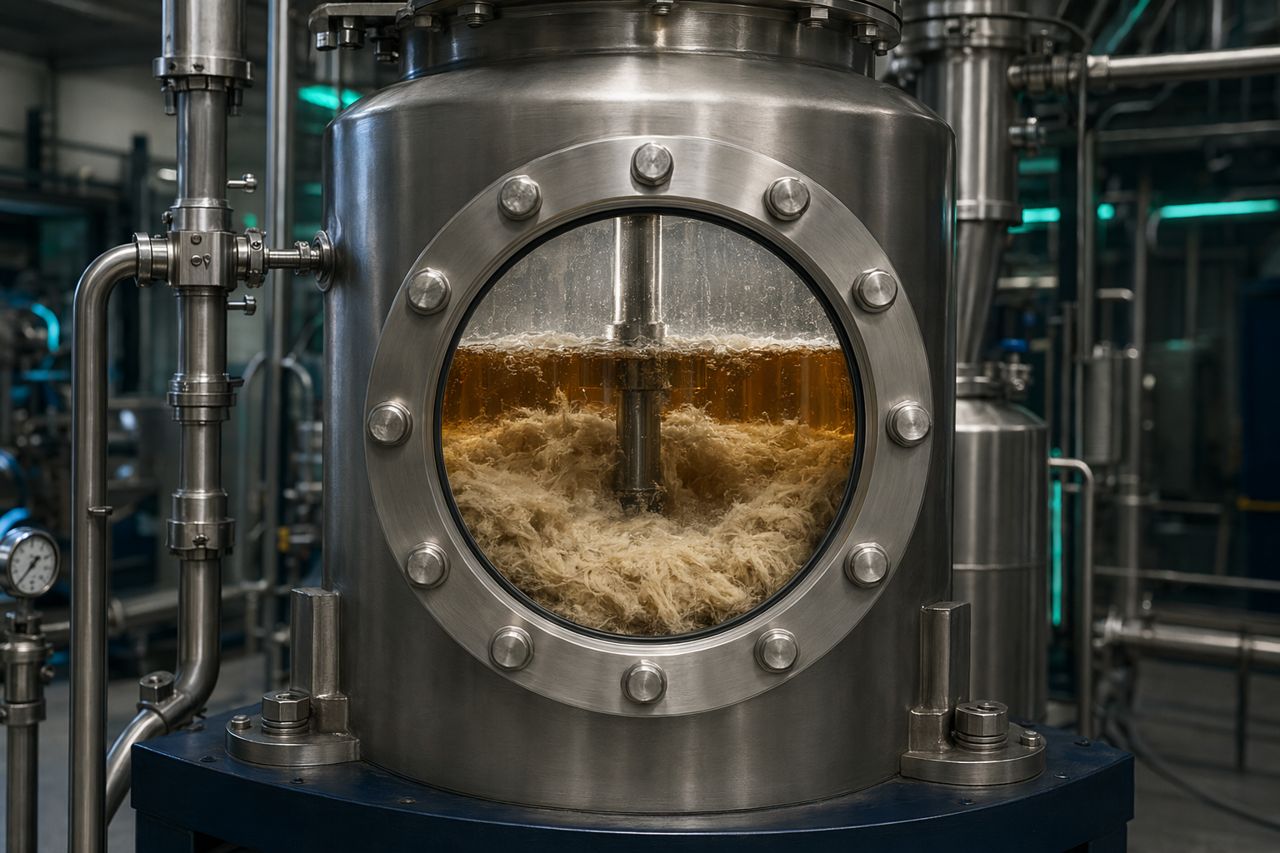
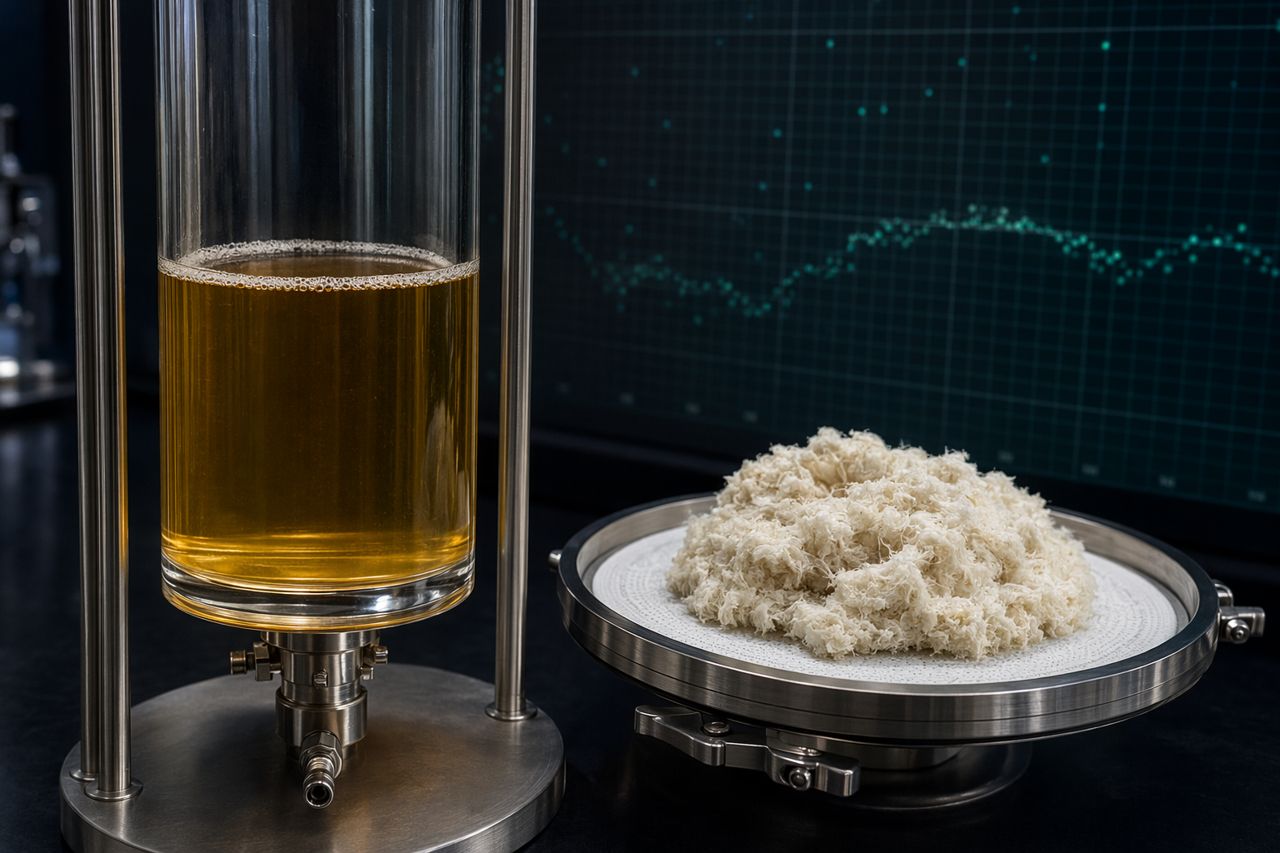
Keratinase Enzyme gives processors a biological route to controlled breakdown: it opens the fiber structure, reduces the insoluble load and moves keratin protein into a usable hydrolysate. For textile recyclers, wool processors, hydrolysate producers and waste-to-value operations, the question is whether that conversion can be controlled, separated and scaled in a real plant.
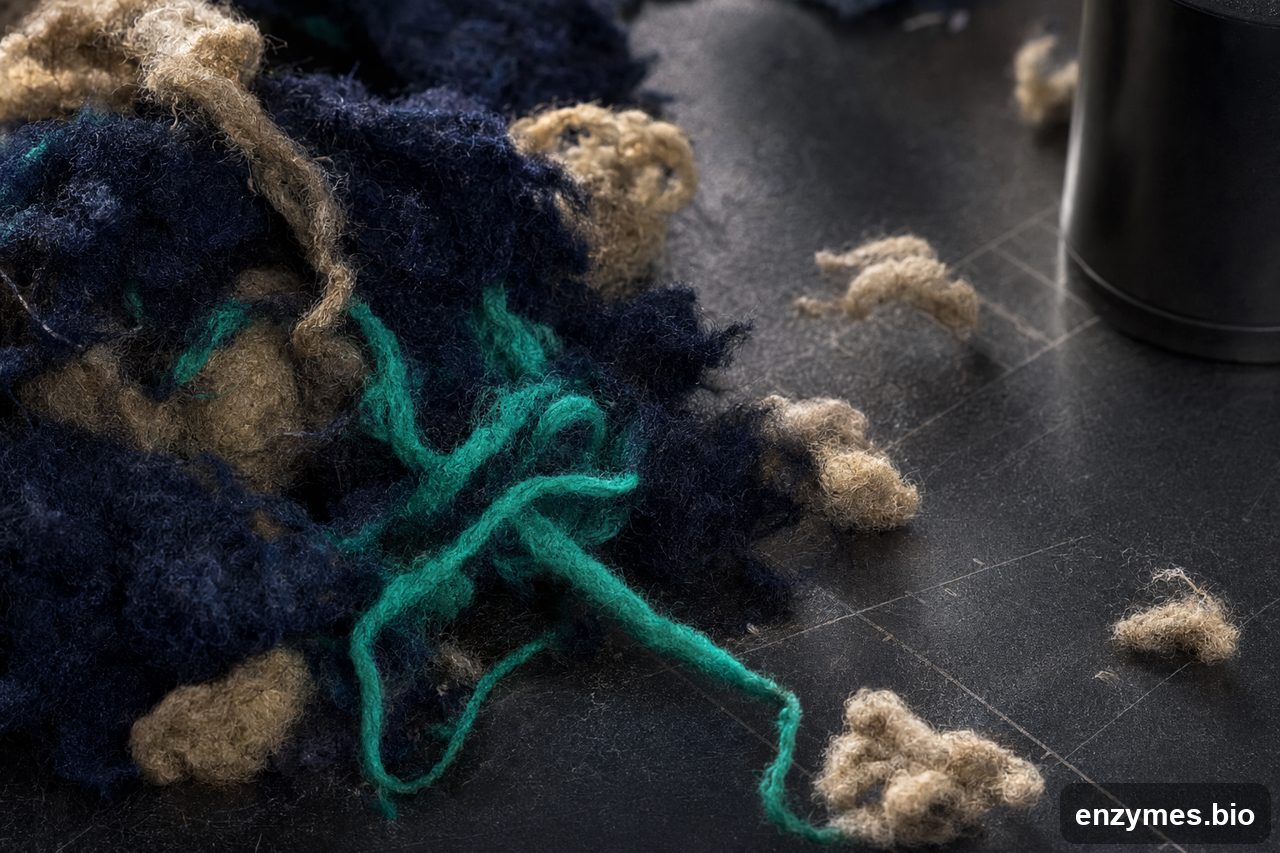
Keratinase Enzyme Solutions supplies keratinase wholesale to these companies and to the distributors who serve them, with pricing quoted per order.
Treating wool or textile keratin waste? Send the material, your quantity per order or per month, and the destination country. Request a quote
Keratinase is used where keratin-rich materials resist conventional breakdown or where harsh treatment creates inconsistent outputs.
Typical feedstocks include:
The enzyme can support either waste reduction or protein recovery, depending on how the process is designed.
A well-designed keratinase process can help convert tough, insoluble wool residues into streams that are easier to pump, separate, dry, formulate, or discharge.
Commercial outcomes may include:
The strongest applications are not generic digestion projects. They are controlled conversion projects with a defined target output.
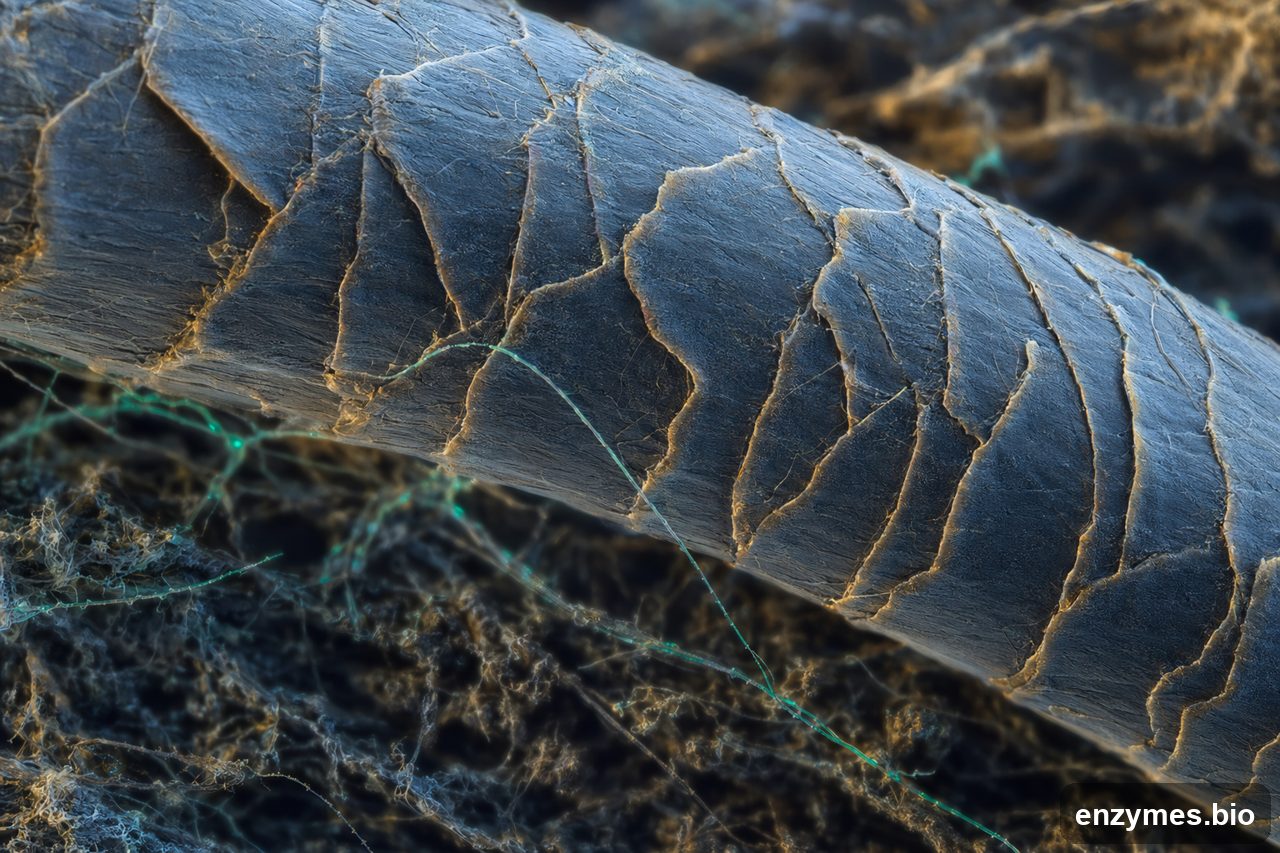
Keratin fibers contain dense protein structures and cross-linked regions that resist easy access. Effective conversion depends on more than adding enzyme to waste.
Key process variables include:
Keratinase can be tuned toward different conversion profiles:
This gives processors a practical lever: conversion can be matched to the commercial use case rather than forced into a single endpoint.
A wool waste reduction project and a peptide hydrolysate production project may use the same enzyme class, but they should not be specified the same way.
The focus is typically operational:
The focus shifts to product quality:
Keratinase Enzyme Solutions helps buyers define the intended output early so the enzyme, process window, and evaluation plan match the business case.
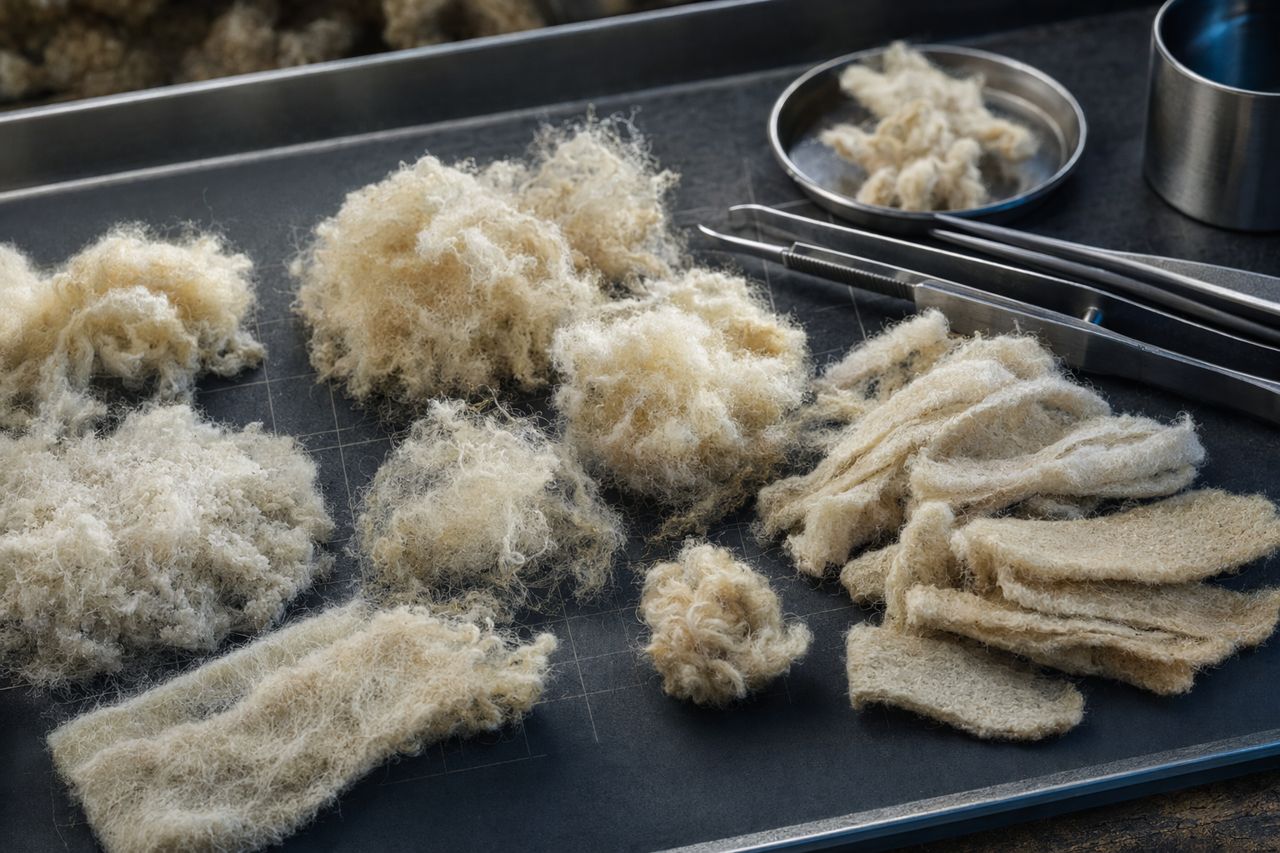
Depending on feedstock quality, processing controls, and regulatory requirements, keratin-derived hydrolysates may be evaluated for technical and specialty uses such as:
Final application suitability depends on the input material, contaminants, processing conditions, and customer specification. Keratinase Enzyme Solutions positions keratinase as the conversion tool, not as a substitute for product qualification.
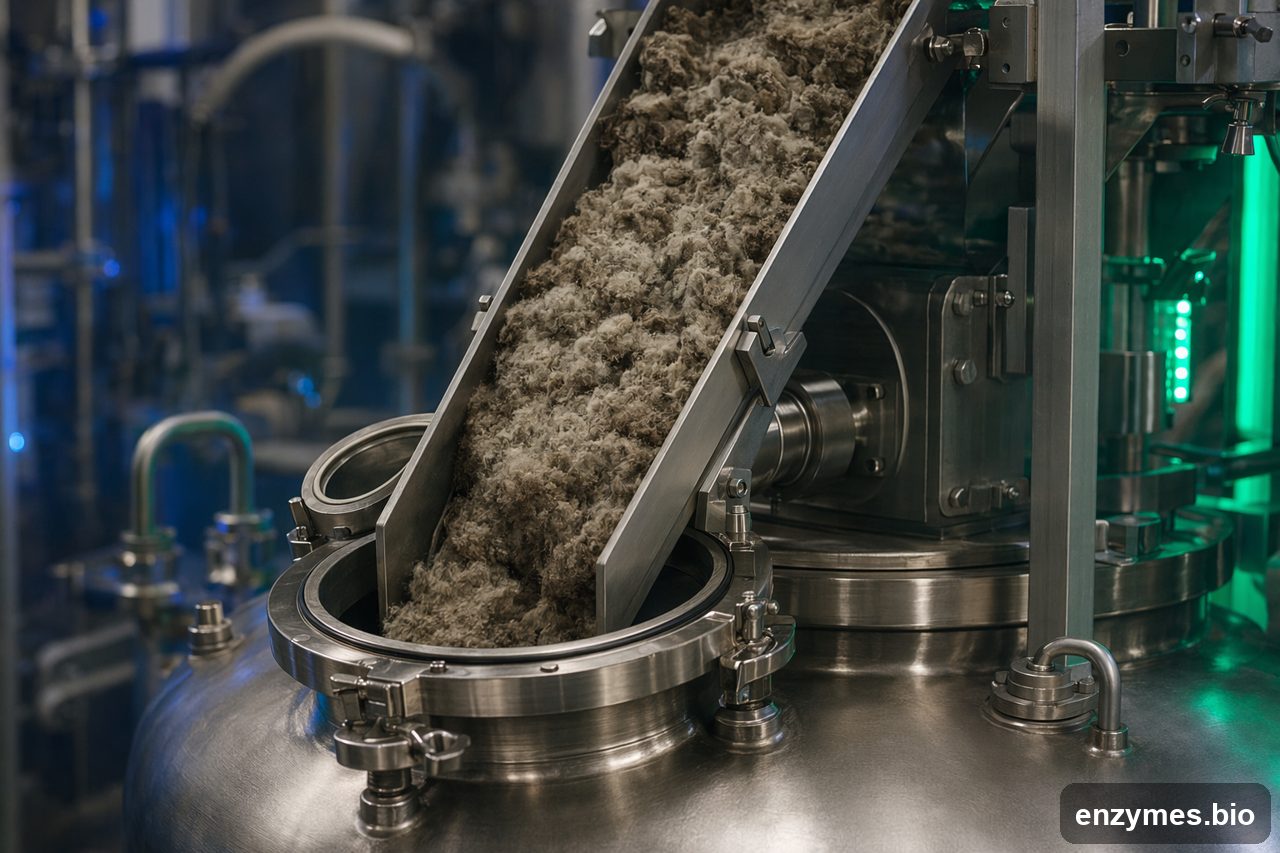
Keratinase can be evaluated in batch, semi-batch, or continuous-adjacent process designs, depending on the material form and plant layout.
Common integration points include:
Operational teams should assess:
The enzyme should fit the process. The process should not have to become a laboratory demonstration to work commercially.
A practical trial should compare enzyme-treated material against a process control under realistic handling conditions.
Useful evaluation points include:
Keratinase Enzyme Solutions can help structure a trial around the buyer’s actual decision criteria: operating cost, waste reduction, hydrolysate value, throughput, or process reliability.
B2B enzyme buying requires more than a product name. Procurement teams need consistency and a partner that understands qualification steps.
Keratinase Enzyme Solutions supports keratinase buyers with:
We do not recommend specifying keratinase solely by generic activity claims. Real-world performance depends on the feedstock, preparation method, process window, and target endpoint.
This application is relevant for organizations handling keratin-rich textile or animal-fiber residues, including:
If your team is trying to convert wool waste into a lower-burden stream or a recoverable protein fraction, keratinase is a strong candidate for structured evaluation.
Wholesale and bulk supply for wool processors, textile recyclers, hydrolysate makers and distributors. Tell us:
Pricing and terms are quoted per order. Request a quote
Enzyme: Keratinase Enzyme
Application: Wool waste and keratin-rich textile residue conversion
Primary value: Controlled breakdown of difficult keratin materials
Potential outputs: Reduced insoluble residue, peptide-rich hydrolysate, improved handling, specialty protein stream
Best fit: Processors with defined feedstocks, measurable conversion goals, and downstream separation or formulation plans
Tell us your application and volume — we reply with pricing and lead time.
We have received your message. We will reply by email.