Guide — Keratinase

Keratinase Process Design Basics

Practical guidance for planning keratinase enzyme processes across feathers, bristles, hair, wool, hides, and other keratin-rich substrates, with focus on conversion control, process fit, and downstream value.

QuillFoundry

Unlock value from the world’s toughest keratin streams.

On this page

Keratinase Process Design Basics

Keratin-rich materials are mechanically tough, chemically resistant, and variable by source. A good Keratinase Enzyme process does not treat that variability as a nuisance after startup. It designs for it from the first bench screen.

At QuillFoundry, we look at keratinase as a controllable conversion tool: a way to open fibrous protein structures, reduce insoluble residue, generate peptide-rich streams, and make downstream handling more predictable. The strongest projects usually start with clear substrate definition, realistic reactor assumptions, and an agreed target for what “converted” needs to mean commercially.
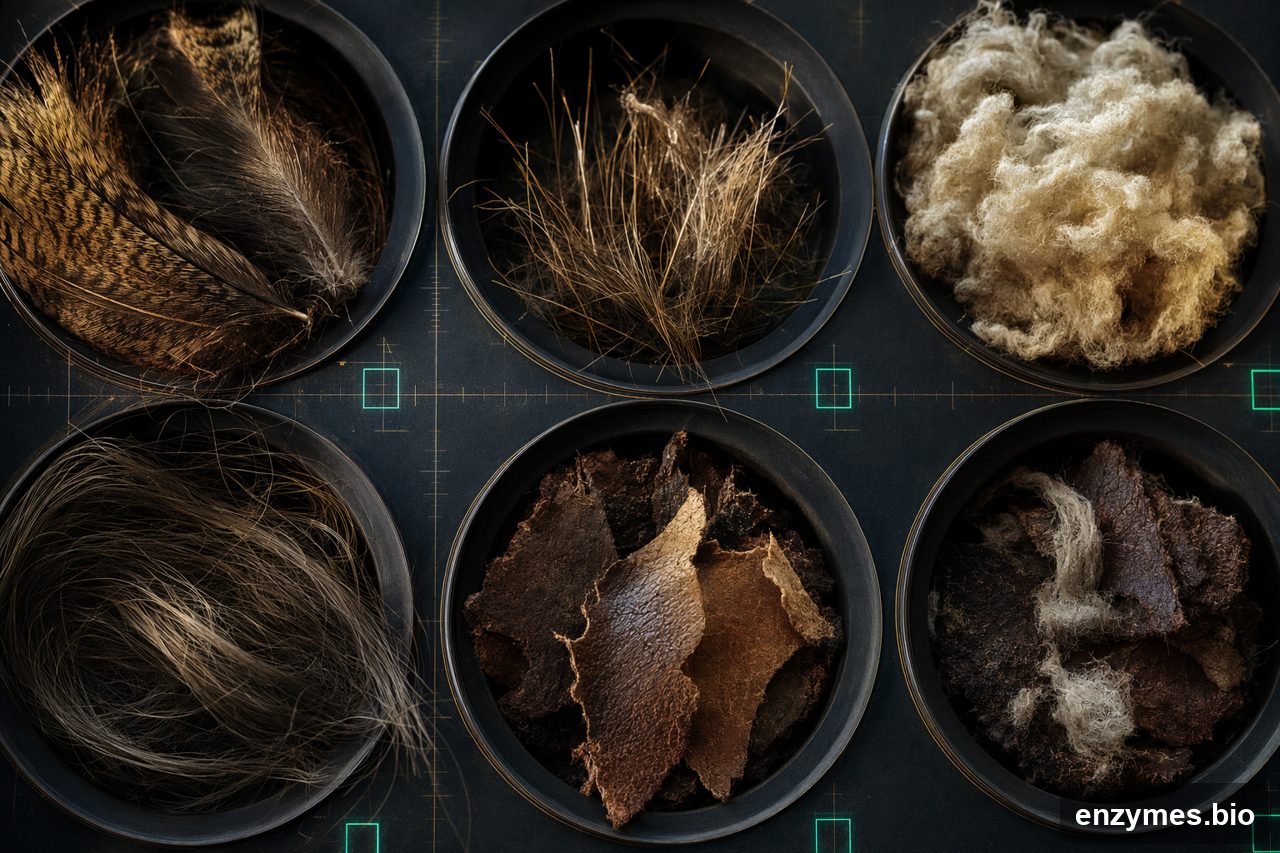
This guide outlines the design questions industrial teams should answer before moving from lab work to plant trials.

1. Define the keratin substrate before defining the enzyme step

Keratinase performance is shaped by the physical and chemical history of the material. Two substrates may both be called “feather meal,” “wool waste,” or “hair,” but behave differently in slurry handling, wetting, odor formation, peptide release, and residue reduction.

Capture the substrate profile

For each candidate feedstock, document:

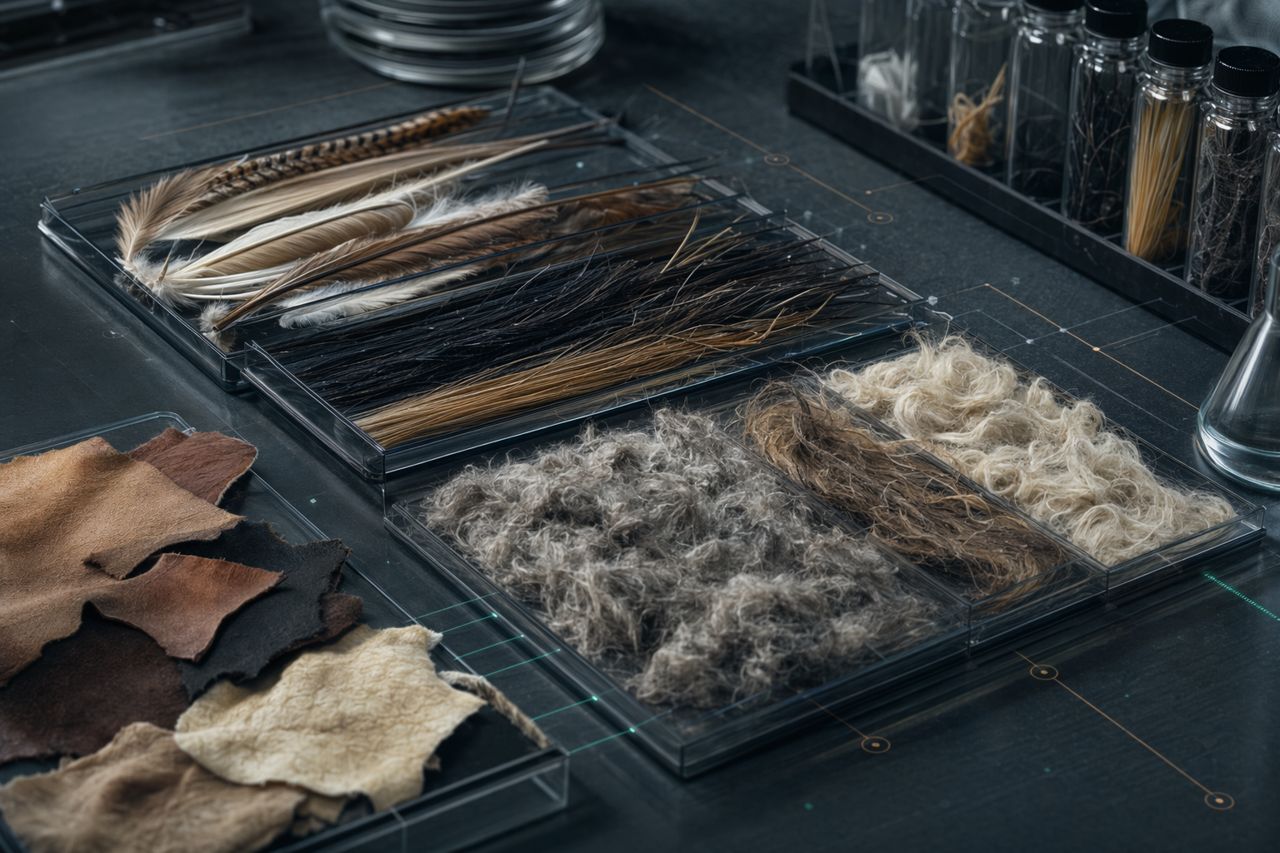
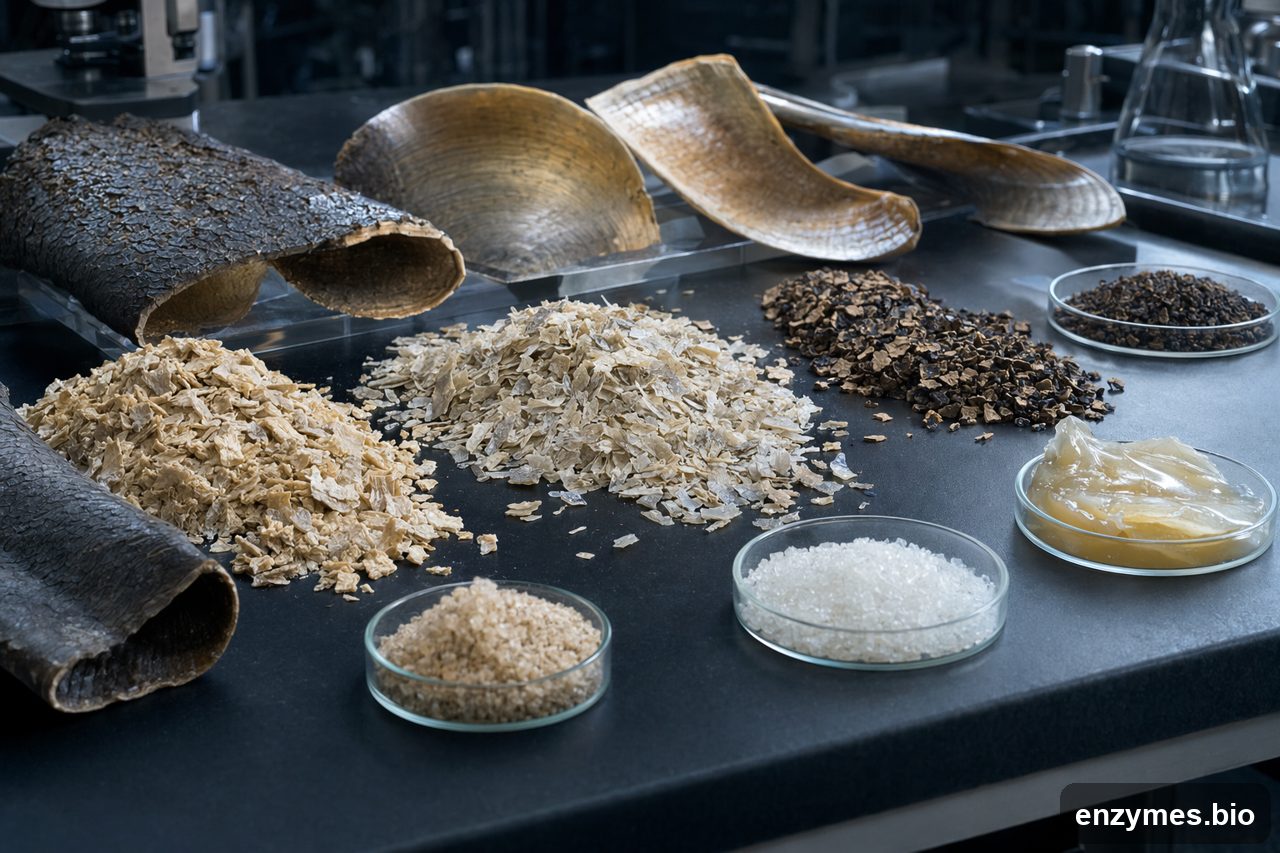
  • Source and species origin where relevant: poultry feathers, hog bristles, bovine hair, sheep wool, tanning by-products, or mixed keratin streams.
  • Prior processing history: drying, cooking, liming, dyeing, degreasing, sterilization, grinding, chemical exposure, or heat damage.
  • Particle size distribution and fiber length: not only average size, but the fraction of oversize material that resists wetting or suspension.
  • Moisture and fat content: both affect dispersion, foam behavior, thermal transfer, and downstream separation.
  • Mineral and salt burden: important for corrosion management, formulation compatibility, and final product positioning.
  • Batch-to-batch variation: especially if the process will depend on seasonal, regional, or mixed industrial waste streams.

A process designed around a polished lab sample can fail when it meets real plant feed. Start with representative lots, not only clean reference material.

2. Decide what conversion means for your product

Keratinase does not have one universal endpoint. The right endpoint depends on the economic role of the hydrolysate or recovered material.

Common process goals include:

  • Reducing insoluble keratin residue for waste valorization or disposal cost reduction.
  • Producing soluble peptide fractions for agriculture, feed-related applications, fermentation nutrition, cosmetics, or specialty formulations.
  • Softening or opening fibers to improve extraction, washing, dye uptake, or material recovery.
  • Improving pumpability and handling of keratin-rich slurries.
  • Creating more consistent downstream drying behavior through controlled breakdown.
  • Generating defined functional properties such as solubility, dispersibility, nitrogen availability, film feel, or compatibility in blends.

Before optimizing, align on the decision metric. A process that maximizes solubilization may not produce the peptide profile, odor profile, or viscosity needed for the target market.

3. Build the process around wetting, dispersion, and access

Keratinase can only act where the substrate is accessible. Many scale-up issues are not enzyme failures; they are access failures.

Mechanical preparation matters

Grinding, chopping, milling, or fiber opening can improve contact, but aggressive size reduction may increase dust, energy cost, fines handling, foam, and filtration burden. The goal is not always the smallest particle. The goal is a substrate that wets consistently, suspends predictably, and exposes enough surface area for the required conversion.
Hydration is part of the reaction design

Dry feathers, wool, bristles, and hair can float, clump, repel water, or form mats. Plan a hydration stage or staged addition strategy when needed. Good wetting reduces dead zones, improves heat transfer, and helps avoid under-converted clumps that appear late in separation.

Pretreatment should be justified, not automatic

Thermal, alkaline, reducing, mechanical, or surfactant-assisted pretreatments can increase access, but each adds cost and may change downstream product quality. Evaluate pretreatment by its effect on total economics: conversion yield, cycle time, energy use, cleaning burden, odor, separation, product value, and wastewater load.

4. Select operating conditions for stability and process fit

Keratinase process design is a balance between enzyme stability, substrate accessibility, contamination control, equipment limits, and downstream product requirements.

Key condition families include:

  • Temperature range: higher temperatures may improve substrate swelling and process hygiene, while excessive heat can reduce enzyme performance or damage target peptides.
  • pH window: pH affects keratin swelling, enzyme behavior, corrosion, odor, and final formulation compatibility.
  • Solids loading: higher solids can improve plant throughput, but may increase viscosity, mixing demand, foam, heat-transfer limits, and separation difficulty.
  • Residence time: enough time is needed for the chosen endpoint, but unnecessary holding can reduce asset productivity or shift the peptide profile.
  • Enzyme addition strategy: single-charge, staged, or split additions may be considered depending on substrate loading, viscosity change, and process control.
  • Auxiliary chemistry: reducing agents, buffers, antifoams, salts, or preservatives must be checked for compatibility with the enzyme and the final product.

The best condition set is rarely the harshest or fastest. It is the one that delivers the required conversion with stable operation and acceptable downstream cost.

5. Design mixing for a changing slurry

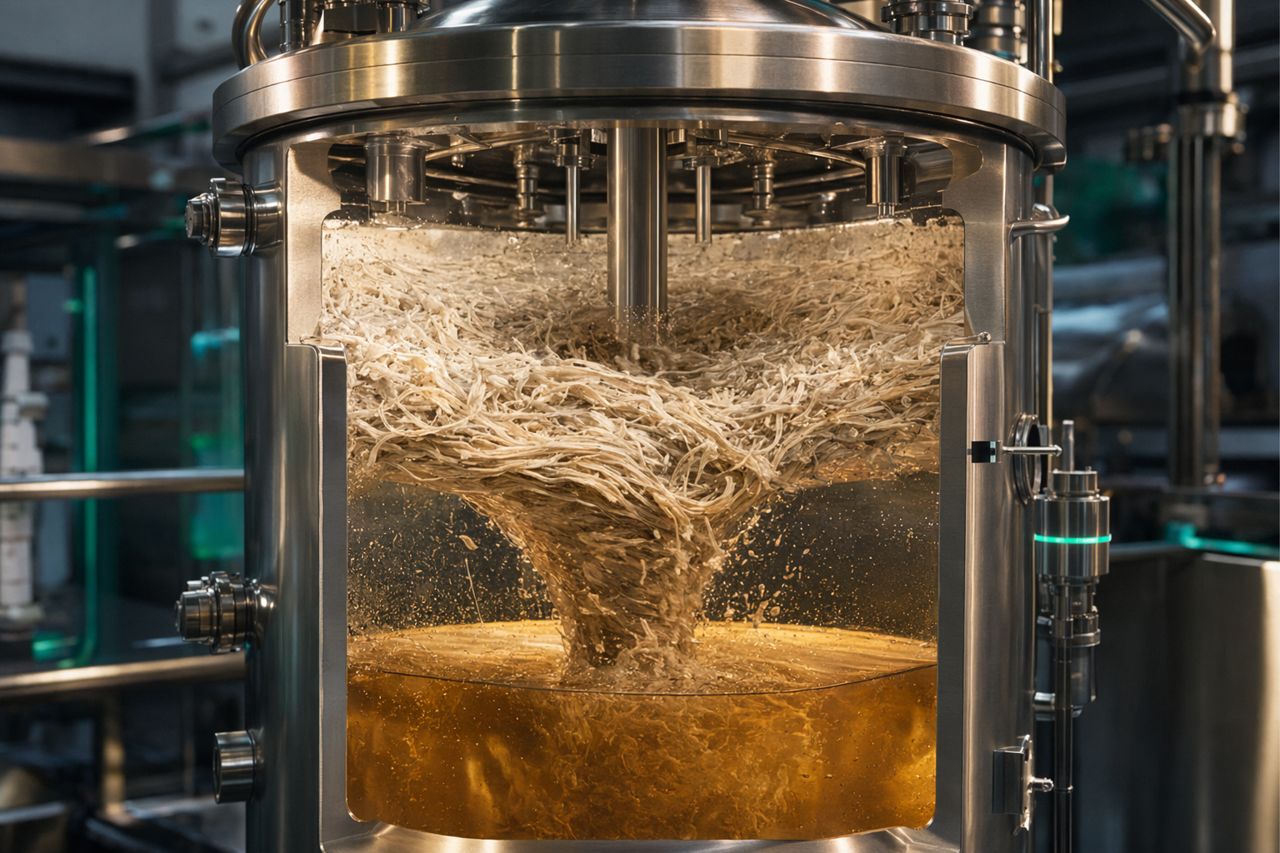
Keratinase reactions often start as fibrous, uneven slurries and move toward softer, more soluble, sometimes more foaming mixtures. Mixing requirements change during the run.

Industrial planning should consider:

  • Initial fiber suspension: Can the agitator pull floating material into the liquid phase?
  • Dead-zone risk: Are there corners, baffles, screens, or transfer lines where fiber mats can accumulate?
  • Viscosity transition: Does the slurry thin as fibers break down, or does it temporarily thicken as fine peptides and suspended solids increase?
  • Foam behavior: Protein hydrolysates can foam during agitation, aeration, pumping, or discharge.
  • Heat transfer: Dense or fibrous slurries can create temperature gradients that affect conversion consistency.
  • Pump selection: Positive displacement, centrifugal, or specialty pumps should be evaluated against fiber length, solids, and viscosity behavior.

Bench glassware can hide mixing problems. Pilot equipment should reproduce the plant’s practical agitation constraints, not just the chemistry.

6. Plan for downstream separation early

The enzyme step is only valuable if the resulting stream can be clarified, concentrated, dried, blended, or otherwise finished at commercial cost.

Downstream questions to answer during process development:

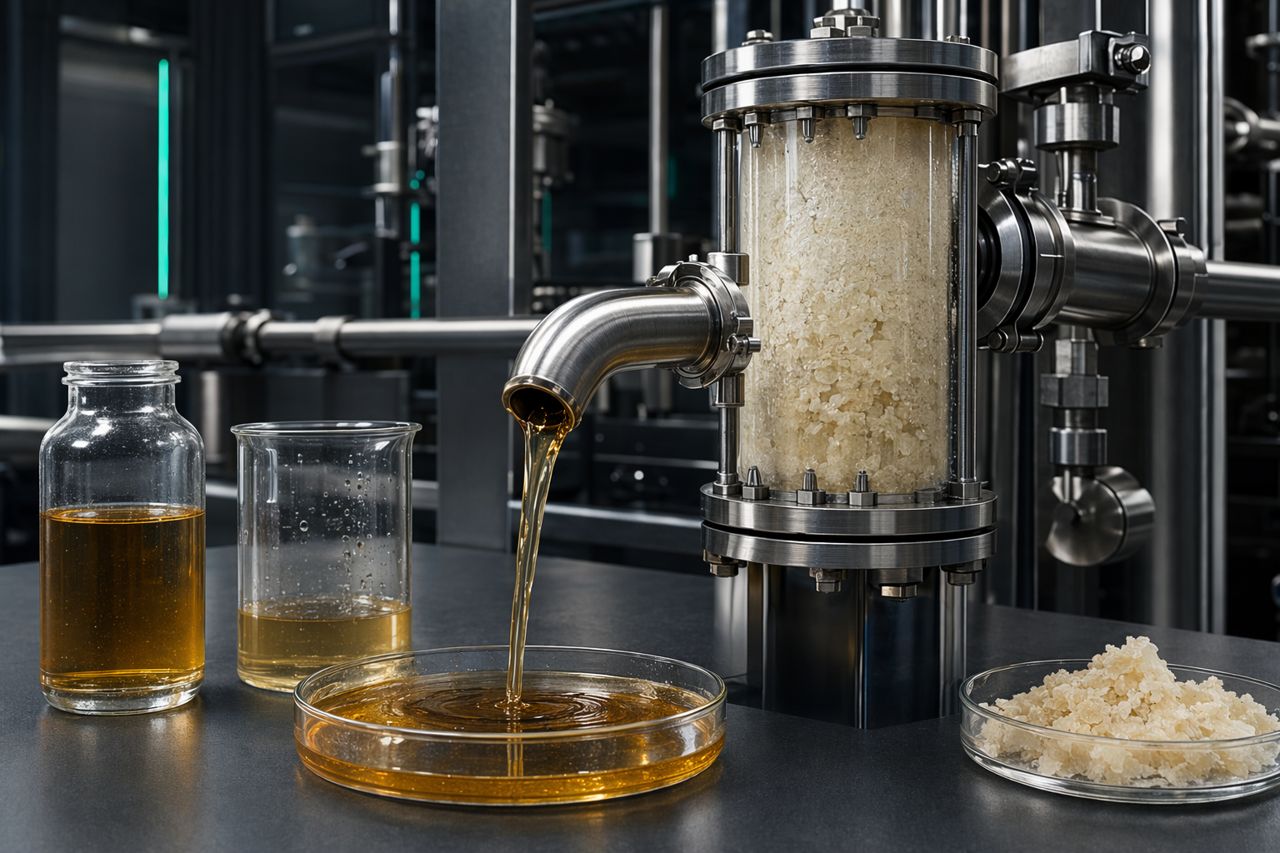
  • Will the process target a liquid hydrolysate, concentrate, powder, fiber-modified material, or residue-reduced waste stream?
  • Is insoluble residue removed by screening, settling, centrifugation, filtration, or decanting?
  • Does the hydrolysate contain fines that blind filters or slow clarification?
  • Are odor, color, ash, fat, or microbial limits relevant to the end market?
  • Does peptide size distribution affect solubility, compatibility, or claimed function?
  • Can the enzyme be inactivated or stabilized in a way that fits the finished product?

A high-conversion reaction that creates an unfilterable stream is not a complete process. Separation behavior belongs in the first round of development work.

7. Control odor, bioburden, and product consistency

Keratin materials can carry sulfur-containing compounds, residual processing chemicals, fats, and environmental microbial load. Conversion may release odors or expose compounds that were previously locked inside fibers.

Practical controls include:

  • Representative incoming material checks.
  • Defined storage conditions for feedstock.
  • Process temperature and holding discipline.
  • Short, controlled residence windows where appropriate.
  • Compatible pH management.
  • Rapid downstream stabilization after target conversion.
  • Cleaning protocols for fiber-contact equipment.

Odor and consistency are commercial issues, not only technical issues. They influence customer acceptance, plant operability, packaging selection, and finished product positioning.

8. Use staged development rather than one-step scale-up

A reliable keratinase program usually moves through three design levels.

Bench screening

Use representative substrates to compare feasibility, access needs, conversion behavior, pH direction, temperature tolerance, foam tendency, and rough downstream handling.

Application pilot

Move to equipment that reflects real agitation, heating, charging, discharge, and separation constraints. This stage should test feed variability, operator workflow, and sampling discipline.

Plant trial

Validate the process under normal production realities: raw material receiving, cleaning windows, utility limits, batch records, operator training, packaging, and customer-facing quality requirements.

Each stage should narrow risk. Do not use a plant trial to discover basic wetting behavior or unmanageable filtration.

9. Establish practical in-process controls

Keratinase processes benefit from simple, decision-ready controls. The goal is not to measure everything; it is to know when the batch is behaving correctly.

Useful control categories include:

  • Visual fiber breakdown: matting, floating solids, clump persistence, and slurry uniformity.
  • Soluble solids trend: useful for tracking release of soluble material.
  • Insoluble residue: practical indicator of substrate conversion.
  • pH drift: can indicate substrate chemistry changes, buffer demand, or process instability.
  • Viscosity and pumpability: essential for scale-up and transfer.
  • Odor development: tracked consistently, especially for customer-facing products.
  • Separation rate: filtration, settling, screening, or centrifuge behavior.
  • Final product compatibility: solubility, dispersion, blend stability, or application-specific performance.

Controls should tie directly to release decisions, not generate data that no one uses.

10. Formulation planning for commercial use

For formulators, Keratinase Enzyme may be supplied and handled as part of a broader processing aid or bioconversion package. The formulation strategy should reflect storage, dosing, compatibility, and plant workflow.

Key formulation questions:

  • Is the enzyme added manually, metered, or pre-diluted?
  • Does the process require compatibility with salts, antifoams, preservatives, carriers, or pH-adjusting ingredients?
  • Will the enzyme be stored in a hot, humid, cold, or variable plant environment?
  • Is the enzyme expected to act in a short conversion window or remain stable through a longer process?
  • Does the final stream require enzyme inactivation, residual activity control, or compatibility with downstream microbes or chemistry?

Commercial success depends on more than enzyme selection. It depends on making the enzyme step easy to run repeatedly.

11. Common failure modes to design out

Keratinase projects commonly struggle when teams overlook physical handling.

Avoid these design traps:

  • Optimizing only on clean, finely prepared lab material.
  • Assuming all keratin sources behave the same.
  • Treating pretreatment as free conversion.
  • Running high solids before confirming mixing and heat transfer.
  • Ignoring foam until the pilot stage.
  • Measuring conversion without checking separation.
  • Selecting an endpoint without defining the finished product value.
  • Scaling from beakers to plant reactors without matching agitation reality.
  • Allowing raw material variation to exceed the process control window.

A strong process is engineered around the worst credible feedstock, not the best lab sample.

12. What to prepare before requesting pricing

To help specify Keratinase Enzyme for an industrial program, prepare the following:

  • Target substrate and source history.
  • Current pretreatment or cleaning steps.
  • Desired finished product or process objective.
  • Planned batch, semi-continuous, or continuous workflow.
  • Approximate solids handling strategy.
  • Available temperature and pH operating range.
  • Reactor type, agitation style, and discharge method.
  • Downstream separation or drying method.
  • Quality constraints such as odor, color, ash, solubility, or residue target.
  • Trial timeline and purchasing pathway.

This information allows a more useful technical and commercial discussion: not just “which enzyme,” but what process envelope the enzyme must survive and what value it must create.

Request a quote or get pricing

Use the form below to start a process-fit discussion for Keratinase Enzyme. Share what you can about your substrate, target product, and plant constraints. QuillFoundry will respond with next-step questions, supply options, and pricing guidance for your application.

Keratinase Process Design Basics | QuillFoundry
More resources

More from QuillFoundry

Start evaluation

Request pricing & specs

Tell us your application and volume — we reply with pricing and lead time.