Learn what keratinase is, why keratin is hard to degrade, and how Keratinase Enzyme helps processors convert feathers, wool, hair, bristles, and other keratin-rich materials into usable outputs.
Unlock value from the world’s toughest keratin streams.
Keratinase is a specialized proteolytic enzyme used to break down keratin-rich materials such as feathers, hair, wool, bristles, horn, hooves, and certain hide or leather byproducts. In industrial terms, Keratinase Enzyme is a conversion tool: it helps turn tough, low-solubility protein waste into more processable peptide and amino-acid-rich streams.
For processors, the value is not simply that keratinase “digests protein.” Many proteases act on accessible proteins. Keratinase is relevant because keratin is structurally resistant, chemically stable, and difficult to hydrolyze without targeted biological action or aggressive processing.

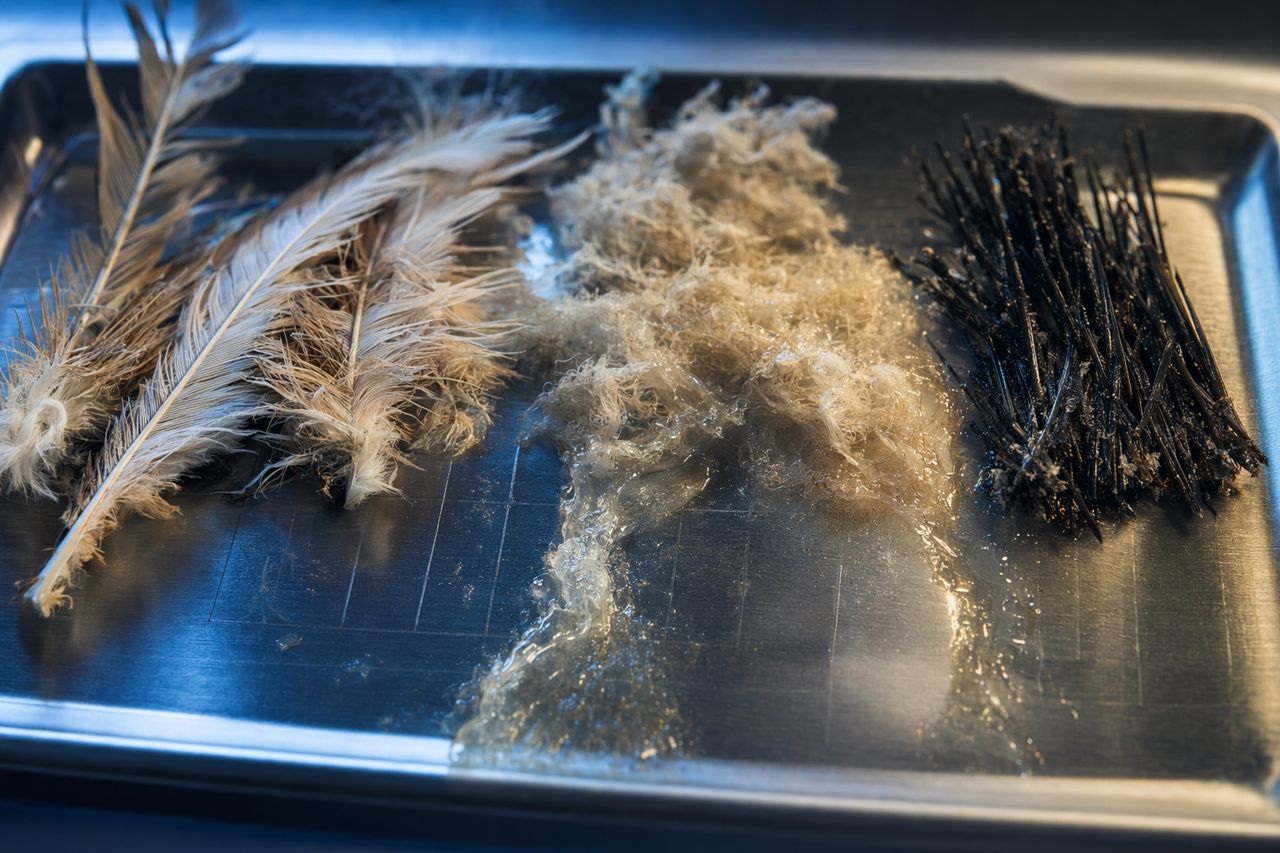
Keratinase acts on keratin, a structural protein found in protective animal tissues. Typical industrial substrates include:
These materials are often abundant, high in protein, and operationally inconvenient. They can be bulky, slow to degrade, difficult to solubilize, and inconsistent in particle size or composition. Keratinase helps processors move these substrates toward controlled hydrolysis instead of disposal, overprocessing, or low-value handling.
Keratin is not an ordinary protein matrix. It is built for mechanical resistance and environmental durability.
Three structural features make it challenging:
Dense fiber architecture
Keratin forms tightly packed filaments. This limits enzyme access and slows penetration into the substrate.
Crosslinked structure
Keratin contains stabilizing chemical linkages, especially sulfur-containing crosslinks, that reinforce the protein network.
Low natural solubility
Feathers, wool, hair, and bristles do not readily disperse into water. Without size reduction, wetting, pretreatment, or process control, conversion can be uneven.
This is why general-purpose proteases may show limited performance on keratin-rich materials. They can attack exposed protein regions, but they may not effectively open the dense, crosslinked keratin structure.

Keratinase is selected for its ability to work on resistant keratin substrates. It helps loosen the keratin matrix and cleave protein chains into smaller soluble or dispersible fragments.
In a practical process, Keratinase Enzyme can support:
Keratinase is not a magic reagent. It performs best when the substrate is prepared correctly and the process window is defined. Particle size, moisture, mixing, pH, temperature, residence time, and upstream pretreatment all influence conversion quality.
A keratinase process typically follows a controlled sequence:
Substrate preparation
Keratin-rich material is sorted, cleaned if required, milled, chopped, or otherwise conditioned to increase surface area and improve wetting.
Process conditioning
The slurry or moist substrate is adjusted to fit the enzyme’s operating window. This may include pH correction, temperature control, agitation, or compatibility checks with salts, fats, residual chemicals, and preservatives.
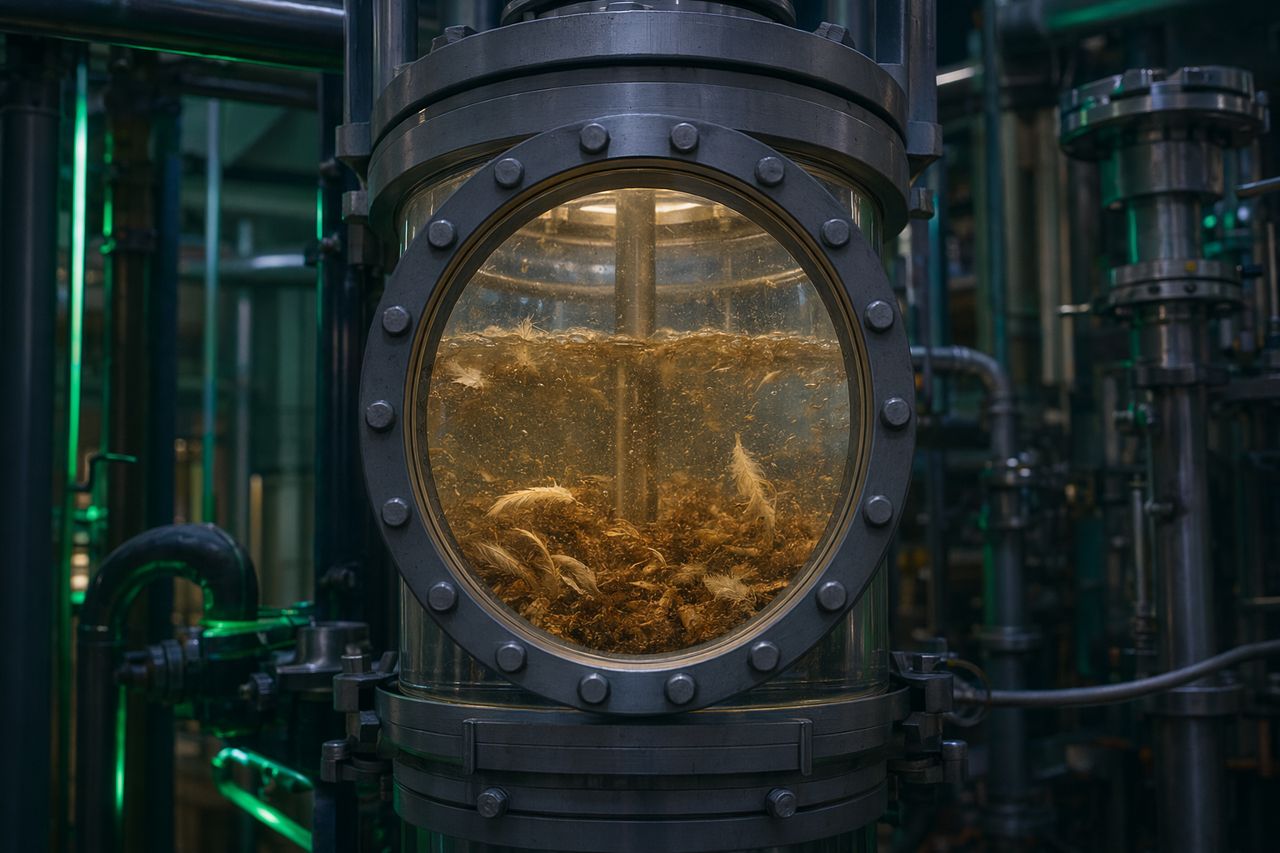
Enzymatic hydrolysis
Keratinase begins opening and cleaving the keratin matrix. The material softens, disperses, and releases soluble peptides.
Conversion control
Operators monitor viscosity, soluble protein, odor profile, particle breakdown, filtration behavior, or target hydrolysate characteristics, depending on the application.
Downstream finishing
The hydrolysate may be separated, concentrated, dried, blended, fermented, formulated, or further treated.
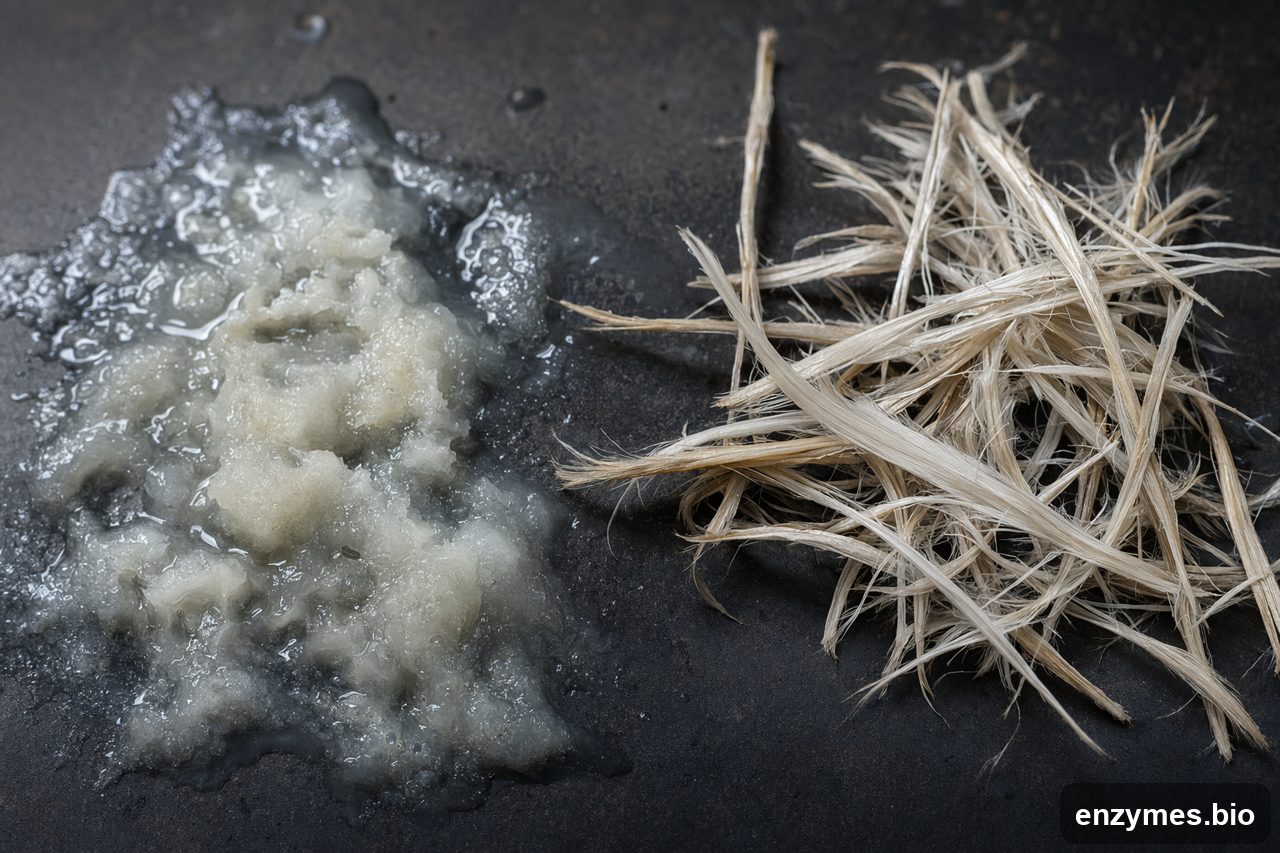
The commercial objective is controlled conversion: not simply destroying keratin, but creating a predictable output that fits the next operation.
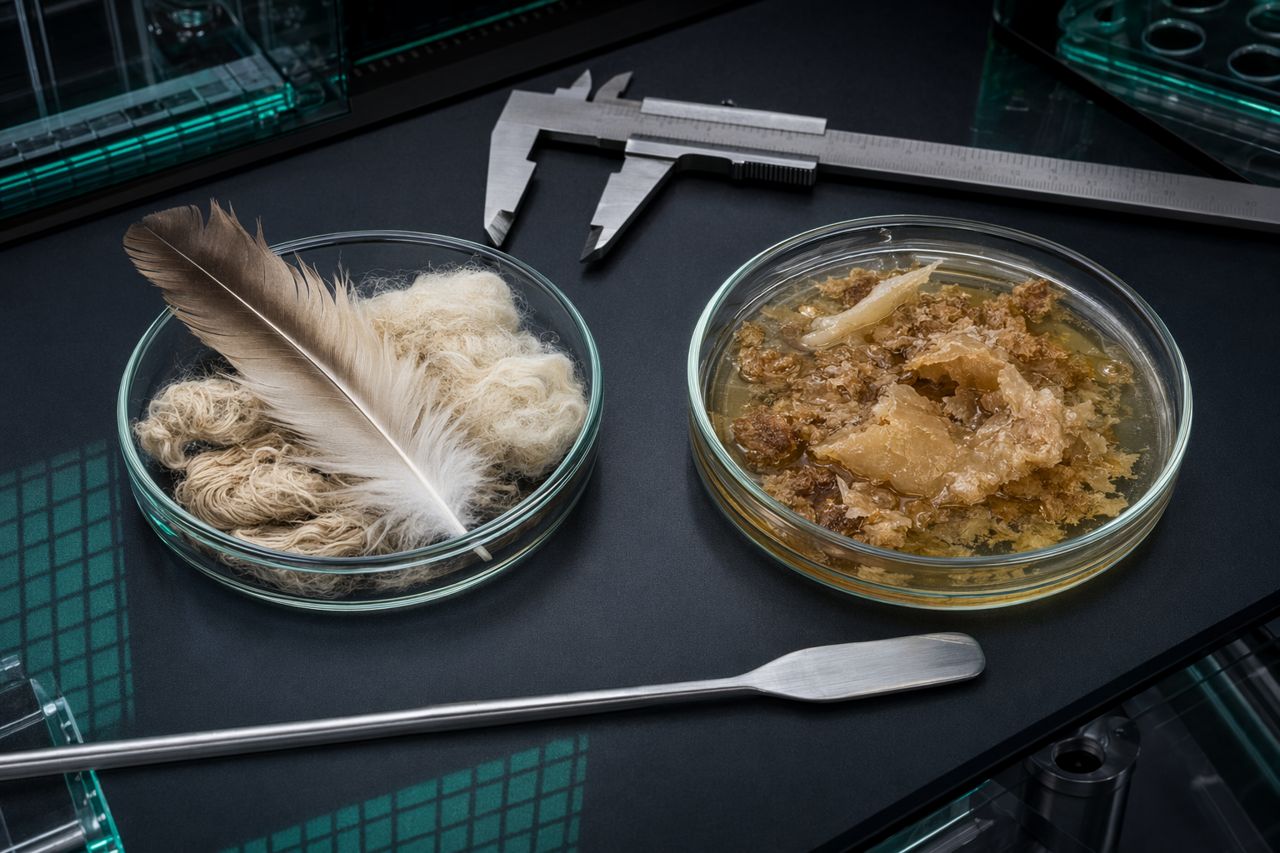
Feathers contain high protein content but are difficult to digest in their native form. Keratinase can help convert feather streams into hydrolysates for feed-related, fertilizer, or specialty ingredient pathways where permitted and properly validated.
Wool, hair, and bristle residues can be converted into peptide-rich materials for soil amendment, technical formulations, or further bioprocessing. Keratinase can improve breakdown while preserving more usable protein value than severe chemical treatment.
In selected operations, keratinase can support processing of keratin-containing fractions associated with hides, hair removal residues, or trimming waste. Compatibility with tanning chemicals, salts, surfactants, and other residues should be checked early.
Keratin-derived peptides can be used in formulated products where particle size, solubility, odor, color, and compositional consistency matter. Enzymatic conversion offers a more tunable route than uncontrolled degradation.
To evaluate Keratinase Enzyme for a real process, define the operating case before asking for pricing. Useful information includes:
This information determines whether the enzyme should be positioned as the primary conversion driver, a pretreatment aid, or part of a combined mechanical, thermal, chemical, and enzymatic process.
Keratinase improves conversion, but it cannot compensate for every upstream issue. Extremely large particles, poorly wetted substrates, high contaminant loads, incompatible chemical residues, or unrealistic residence times can restrict performance.
For commercial deployment, the right question is not “does keratinase work?” The right question is: under which process conditions does Keratinase Enzyme create a measurable downstream advantage for this substrate and this product target?
Keratinase earns its place when it improves one or more of the following:
A well-matched Keratinase Enzyme program is designed around measurable endpoints, not generic enzyme addition.
Tell us what keratin stream you are processing and what output you need. We will help assess process fit, substrate compatibility, and supply options for commercial evaluation.
Wholesale and bulk supply for manufacturers, processors, distributors and resellers. Send three things:
Pricing and terms are quoted per order. Request a quote
Tell us your application and volume — we reply with pricing and lead time.
We have received your message. We will reply by email.