Industrial keratin raw materials (feathers, hair, wool, bristles, hooves, horns, tannery hair waste) and how processors buy and use keratinase on each. Bulk supply, quoted per order.
Unlock value from the world’s toughest keratin streams.
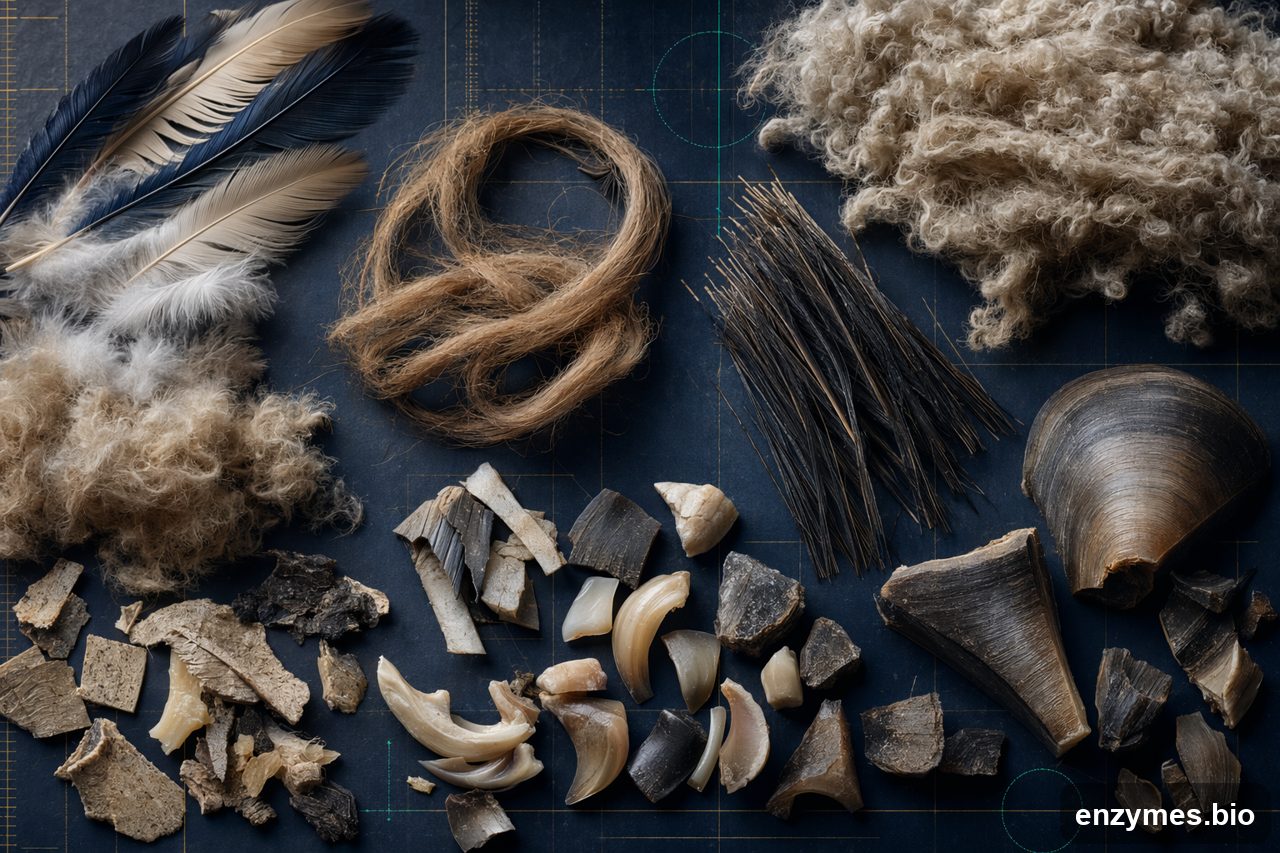
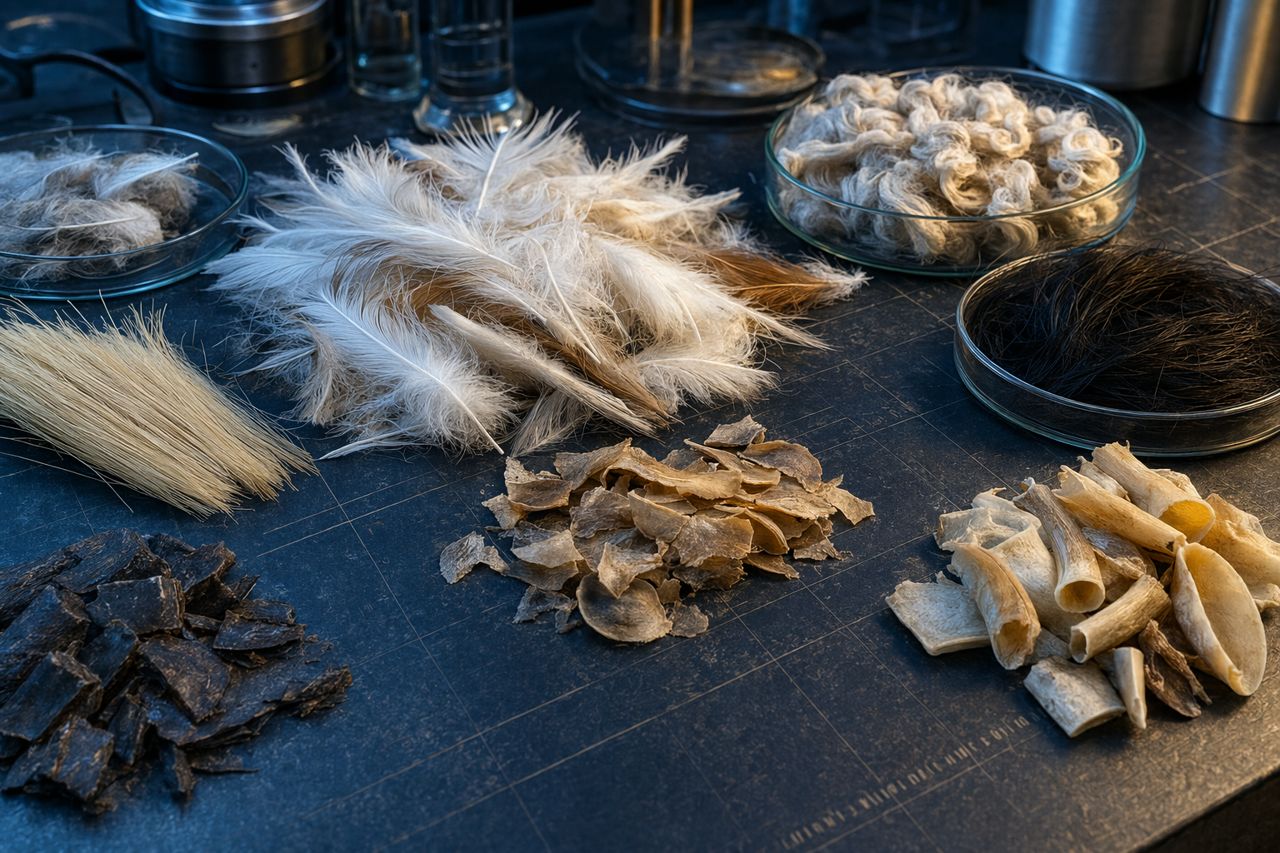
Feathers, hair, wool, bristles, hooves, horns and tannery hair waste are the industrial keratin raw materials that keratinase is bought for. Each behaves differently in a plant: fiber structure, dirt, minerals, fat, upstream handling and how tightly the keratin is cross-linked all change how the enzyme should be used and what it is worth to you.
This guide is for the companies that process these materials in volume (renderers, feed and fertilizer manufacturers, tanneries, wool and textile recyclers, hydrolysate producers) and for the distributors who supply them. Keratinase Enzyme Solutions supplies Keratinase Enzyme wholesale for these streams, with pricing quoted per order.
Buying keratinase for one of these materials? Send the material, your quantity per order or per month, and the destination country. Request a quote
Keratin is a structural protein built to resist ordinary degradation. It is abundant in animal-derived fibers and hard tissues, including feathers, hair, wool, bristles, horns, hooves, nails, and certain tannery residuals. Its resistance comes from dense protein packing, disulfide cross-linking, hydrophobic regions, and protective surface layers.
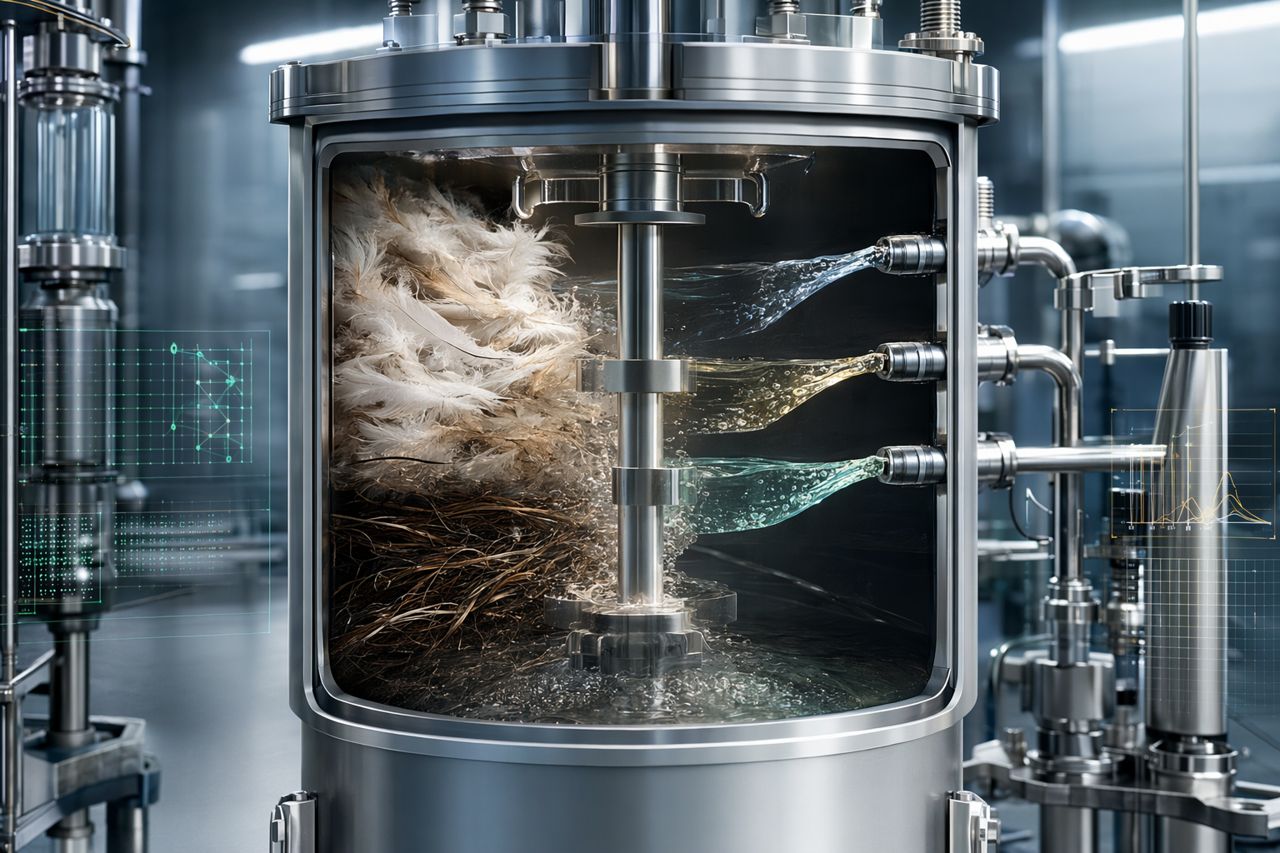
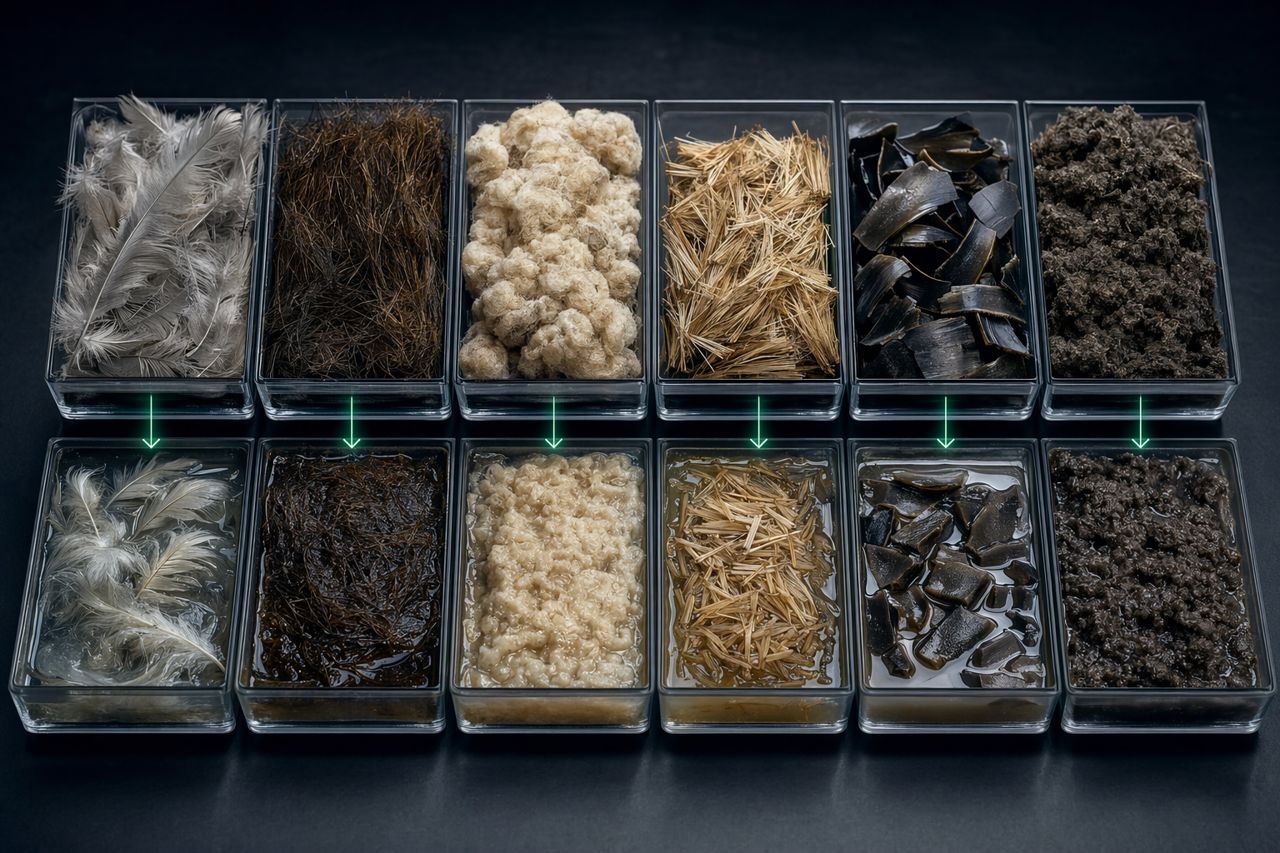
Keratinase Enzyme helps open this structure under controlled processing conditions, generating soluble peptides and softened fiber fractions that can be directed toward feed, fertilizer, specialty protein ingredients, fermentation nutrients, cosmetics intermediates, or waste-load reduction programs, subject to local regulations and final product requirements.
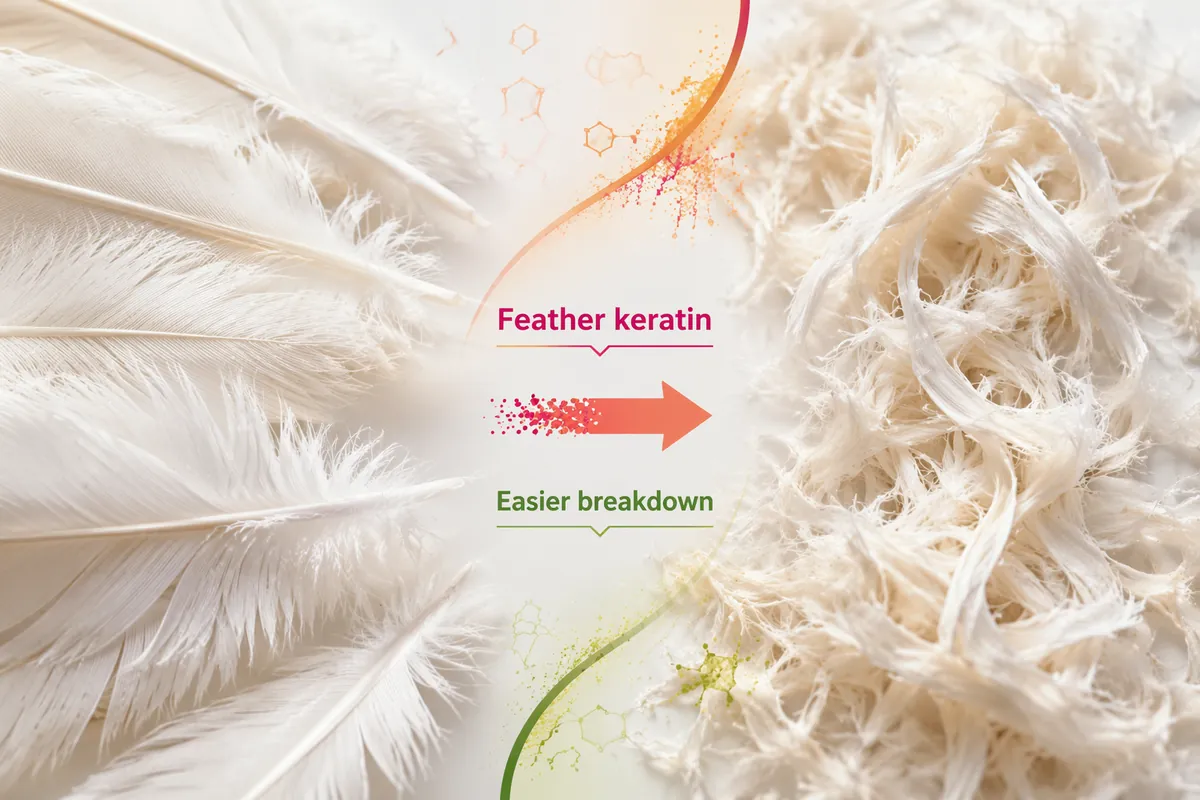
Feathers are one of the most commercially relevant keratin streams because they are generated at scale and contain a high proportion of structural protein. They are lightweight, bulky, and mechanically resilient, so handling and wetting are often the first constraints.
Process considerations:
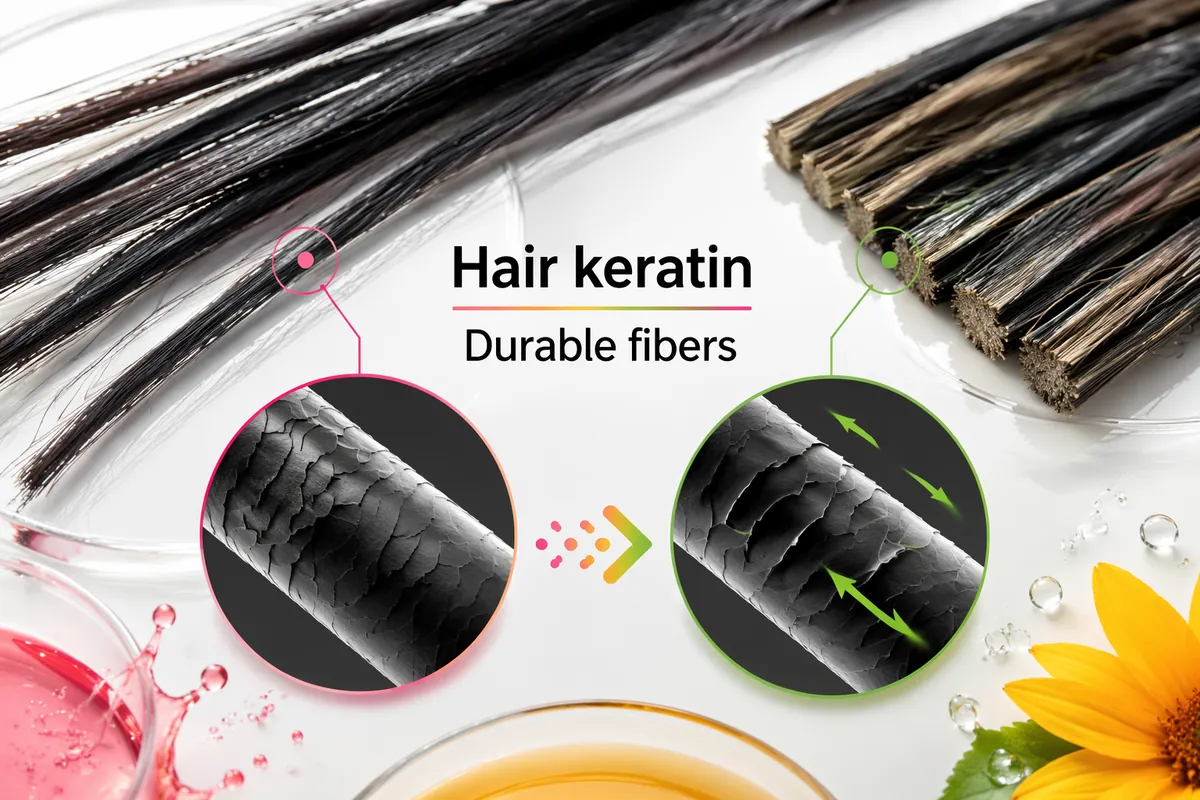
Hair can be coarse, oily, chemically treated, or mixed with skin and dirt depending on its source. It typically has a dense cuticle layer that affects hydration and enzyme access.
Process considerations:
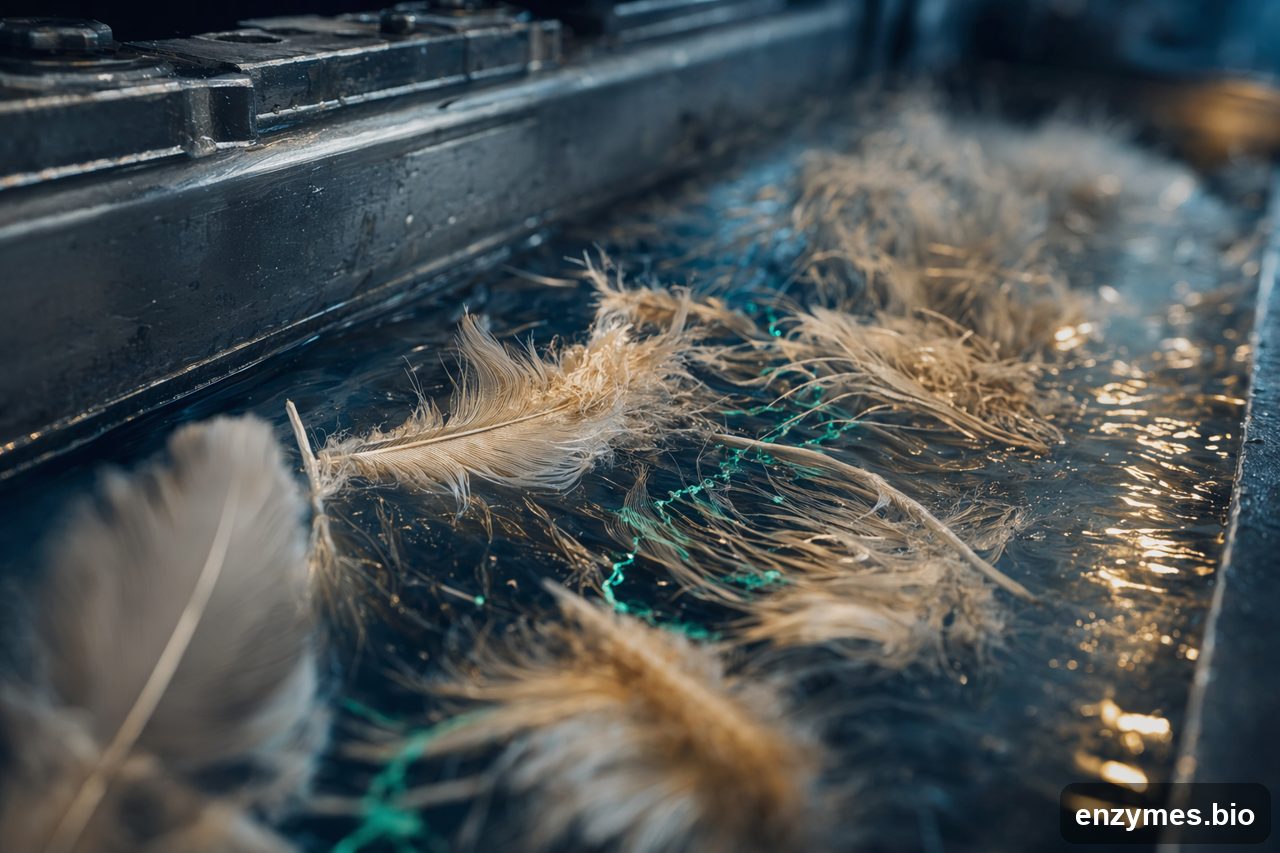
Wool is a valuable keratin material, but scouring waste, off-spec fibers, and short clips can be difficult to valorize. Lanolin, detergents, dye residues, and finishing chemistries may influence conversion and final material suitability.
Process considerations:
Bristles and stiff fibers often contain compact keratin and may be collected in lower volumes than feathers or wool. They can still be commercially relevant when consolidated by processors or used in specialized hydrolysate programs.
Process considerations:
Hooves, horns, and nails are highly cross-linked, dense keratin materials. They are usually more difficult to hydrate and break down than feathers or hair, but they can be converted when pretreatment, residence time, and solids handling are designed appropriately.
Process considerations:
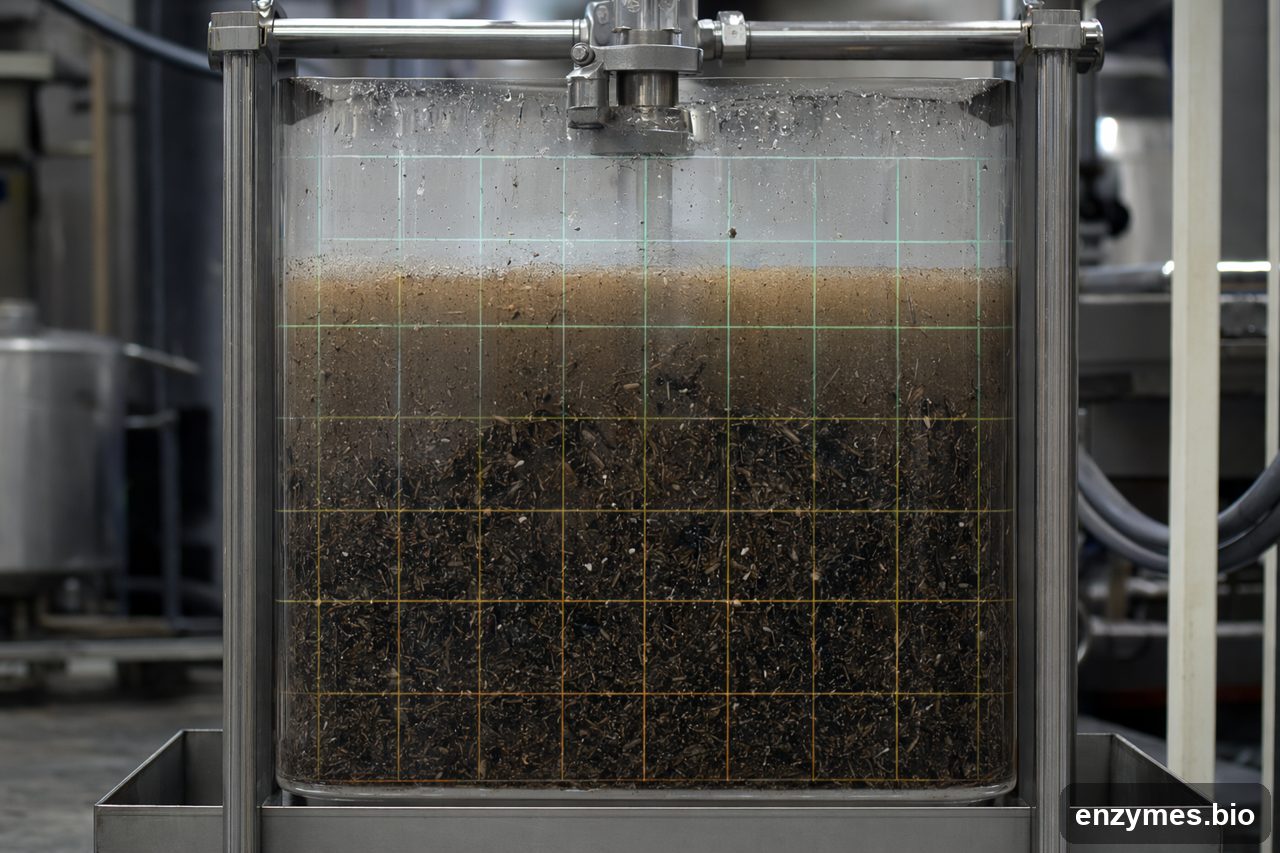
Tannery hair waste is a major keratin-containing stream, but it is rarely clean. It may contain lime, sulfide residues, salts, hide fragments, fats, and suspended solids depending on the hair-save or unhairing process.
Process considerations:
| Substrate | Relative handling difficulty | Typical constraint | Common commercial objective |
|---|---|---|---|
| Poultry feathers | Medium | Wetting, bulk density, shaft conversion | Peptide recovery, digestibility improvement, waste reduction |
| Hair | Medium to high | Oily cuticle, long-fiber mixing, contamination | Softening, hydrolysis, residual solids reduction |
| Wool residues | Medium | Lanolin, dye or detergent history | Fiber modification, hydrolysate production |
| Bristles | Medium to high | Dense coarse fibers | Blended hydrolysis, specialty peptide fractions |
| Hooves, horns, nails | High | Hard structure, milling requirement | Robust protein recovery, waste valorization |
| Tannery hair waste | High | Lime, sulfide, salts, mixed solids | Effluent and sludge reduction, controlled hydrolysis |
A keratin-rich stream is not qualified by protein content alone. Commercial fit depends on whether the enzyme can work within the processor’s existing operating envelope and whether the converted material has a defined destination.
Key qualification questions include:
Keratinase performance improves when the enzyme can reach the keratin surface. Pretreatment does not need to be aggressive, but it needs to be deliberate.
Common strategies include:
The right pretreatment package depends on the substrate and the commercial endpoint. Over-processing can waste energy and damage downstream value; under-processing can leave conversion inconsistent.
Keratinase-treated materials can support several downstream strategies:
The highest-value route is not always maximum hydrolysis. In many plants, the target is a controllable conversion profile that fits drying, filtration, blending, or regulatory requirements.
When sourcing Keratinase Enzyme for keratin-rich substrates, buyers should prioritize process compatibility over brochure claims. Ask for support around substrate evaluation, recommended addition strategy, process window fit, and downstream risk points.
A useful commercial specification discussion should cover:
Wholesale and bulk supply for manufacturers, processors, distributors and resellers. If you process feathers, hair, wool, bristles, hooves, horns, nails or tannery hair waste, tell us:
Pricing and terms are quoted per order. Request a quote
Tell us your application and volume — we reply with pricing and lead time.
We have received your message. We will reply by email.